
Few events command the attention of hoteliers around the world like the FIFA World Cup. Equal parts infrequent and coveted, the tournament has historically driven meaningful gains in occupancy, average daily rate and revenue per available room thanks to a surge in international and domestic travel demand.
However, the current macroeconomic and geopolitical backdrop has introduced a layer of uncertainty that complicates expectations for the 2026 World Cup in North America. Heightened price sensitivities among U.S. travelers, and concerns surrounding expanded immigration enforcement, have raised questions about the strength of most demand sources. Additionally, escalating geopolitical tensions, which include the evolving war in Iran, may potentially contribute more broad global travel hesitancy.
Despite these headwinds, baseline expectations for the World Cup remain overall positive, with the primary focus being on the magnitude and distribution of the event gains across markets and segments.
World Cup assumptions

Currently, CoStar and Tourism Economics project moderate uplift to overall U.S. hotel performance during the World Cup period. On a full-year basis, the tournament is projected to contribute approximately 0.4% growth to full-year U.S. RevPAR. While hotel demand is expected to benefit from both domestic and international visitors, ADR is expected to be the primary driver of hotel performance improvements.
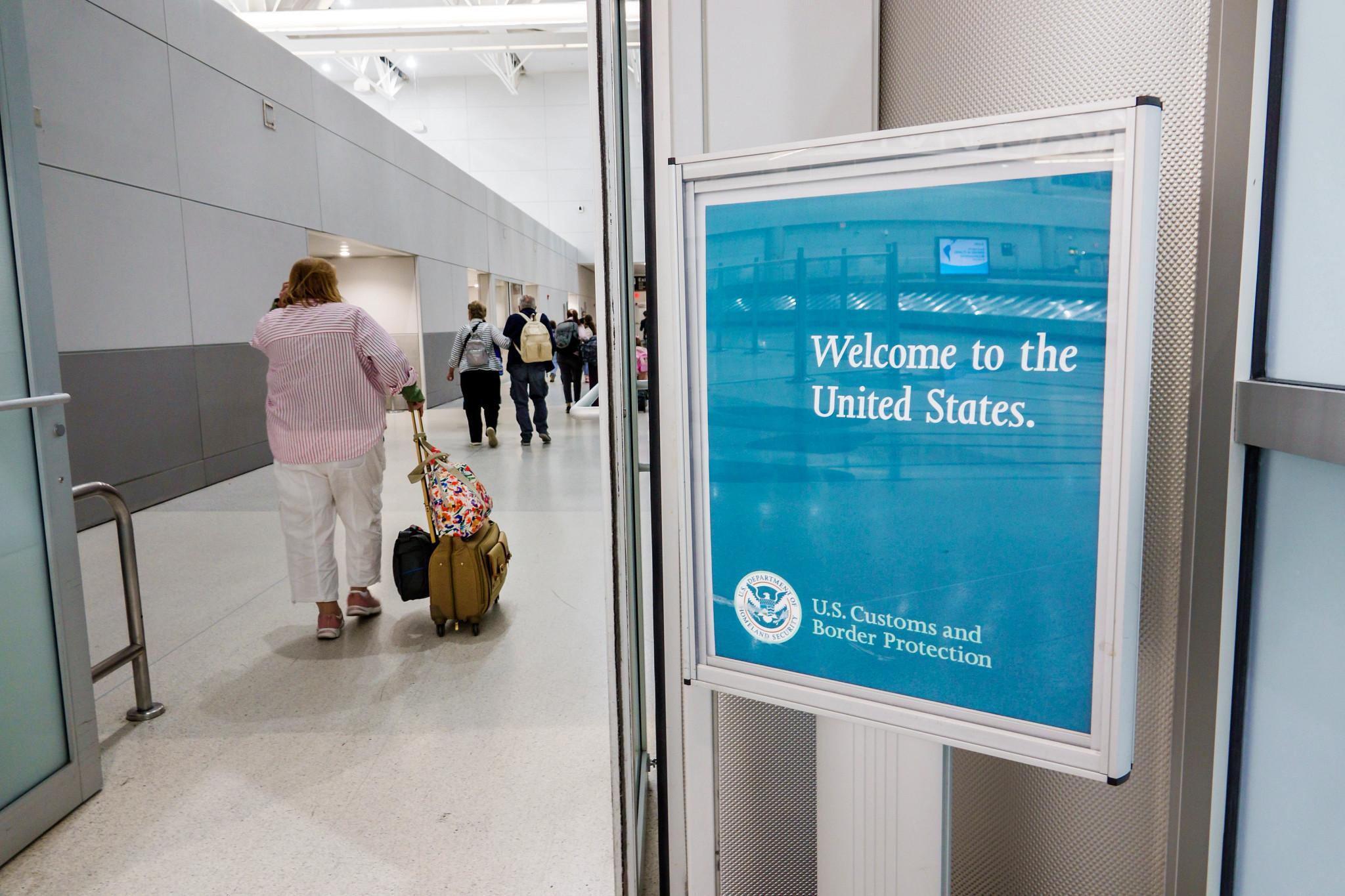
With its stature, the World Cup is expected to provide a notable boost to international hotel demand in host markets. International travel remains one of the biggest questions through 2026 with the outlook remaining sensitive due to U.S. policies and global perception. There are potential headwinds with geopolitical pressures and visa obstacles that could affect World Cup entry, but those have yet to fully materialize.

At the same time, the World Cup introduces a global demand composition impact unlike typical inbound travel. Demand is heavily influenced by team fanbases and their demographics. This results in the top-line market demand being tied to specific matches, rather than general tailwinds over the entire event period.
To refine market-level forecasts, we have incorporated several market-specific assumptions including number of matches hosted per market, match significance and team premiums.
These inputs assume that all host markets will benefit from hosting matches but will benefit differently than one another. Markets that host high-profile teams or knockout stage matches are expected to push higher rates from more sustained hotel demand boosts. Historical analysis indicates that certain national teams generally drive stronger travel demand due to a more global fanbase. Argentina, led by generational superstar Lionel Messi, is expected to be one of the strongest hotel demand drivers. European teams such as France, Germany, Scotland and Portugal — alongside Latin American teams including Brazil, Columbia and Ecuador — are also expected to generate significant U.S. inbound travel performance.
The largest of the U.S. World Cup host markets, which already experience their strongest occupancy levels in the summer, are expected to experience some level of transient demand displacement. As World Cup demand enters these markets, traditional transient travelers may be priced out and forced to select alternative destinations, effectively replacing existing demand rather than adding to it.
Given the unusual macroeconomic and industry environment of today, hotel demand expectations are expected to be more fragmented than in past events. Short-term rentals will absorb a growing portion of the incoming demand compared to past similar events.
Additionally, there are downside risks around the level of FIFA room block cancellations that have been reported recently.


Forward bookings and specific markets

Occupancy on the books provides additional insight into expected event performance. Future bookings vary significantly by location as we move under 100 days till kickoff.
Unlike traditional leisure travel, which is predictable and gradual, World Cup demand is expected to be distinct to match day and both surrounding days, with the lead-in being the strongest. With booking windows for both transient travelers and groups remaining shortened, we expect pickup to increase as the event approaches.
Miami currently stands out with occupancy on the books up 7% year over year in June and July. Miami is expected to be a standout market, and demand is particularly concentrated in late June, when two high-profile matches, Scotland vs. Brazil and Colombia vs. Portugal, are driving up match period bookings 15% year over year. Miami is slated to host the World Cup's Bronze Final, which further supports elevated demand through the end of the tournament. Miami recently saw gains from international sports competition as a key host of the World Baseball Classic.
San Francisco and Los Angeles are also showing momentum, with hotel occupancy on the books up 6% and 5%, respectively, for the World Cup’s duration. In San Francisco, two matches — Australia vs. Jordan and Australia vs. Paraguay — are showing around 10% year-over-year growth on match days.
Los Angeles is showing consistent benefit across all its group and knockout matches. This market is also supposed to host two matches featuring Iran, with some uncertainty about the status of their participation given current events.
Dallas and Houston are demonstrating moderate growth with occupancy on the books up 2% and 3%, respectively. Dallas hosts nine matches total, beginning on June 14. Performance should also be boosted by three knockout stage matches and then a semifinal contest on July 14. We are seeing strong impact around the Netherlands vs. Japan match, which is tracking 12% above prior-year levels for mid-June. Houston's highlights are tied to two matchups: Germany vs. Curacao and Portugal vs. Uzbekistan.
Not all hotel markets are seeing such positive signs in this shifting environment, with a few markets currently underperforming relative to 2025. Atlanta and Boston are both down 4% year over year in hotel occupancy on the books. For Boston, this downward trend is offset by strong forward performance around Scotland vs. Morocco, which is tracking 8% above prior year levels.
New York City presents a unique case as occupancy on the books is down 2% year over year for the event’s span. This is likely reflecting occupancy displacement effects. Additionally, this is a market that already operates at or slightly above a 90% occupancy level, resulting in limited capacity for even incremental demand boosts. With that, growth is expected to manifest primarily through ADR rather than occupancy.
Jake Bruno is a senior forecast analyst with STR, CoStar Group's hospitality analytics division.