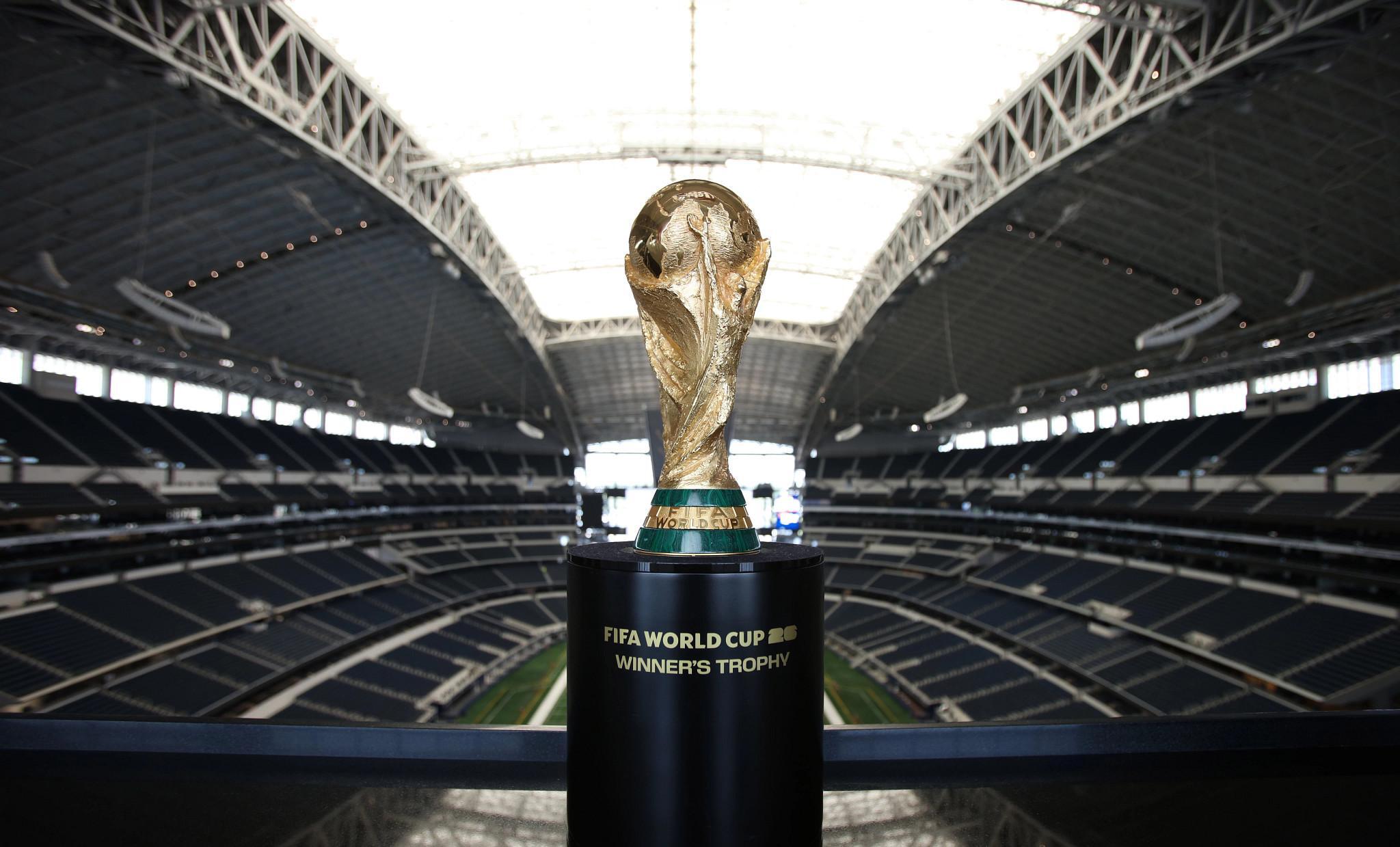
As the 2026 FIFA World Cup nears, there are concerns about the level of international inbound demand U.S. hotels will capture during the tournament.
Among the headwinds for international visitors for the matches are new visa fees — or at least the confusion about them.
Chief among these new and proposed fees is the $250 Visa Integrity Fee created through the One Big Beautiful Bill that was approved and signed last year. It would apply to all visitors who need non-immigrant visas to enter the U.S., and while the fee is non-waivable and paid when issued, it can be refunded to the travelers.
Though the fee now exists, it hasn’t been implemented yet, said Erik Hansen, senior vice president and head of government relations at the U.S. Travel Association.
“The [U.S. Department of State] is not charging those fees right now,” he said. “I think it’s unlikely they’re going to start charging those fees before the World Cup.”
There’s no official timeline that Hansen is aware of, but given the length of the process to implement the fees, it doesn’t seem the State Department is far enough along currently to do it before the games start, he said.
“We’re going to keep pushing Congress and the administration to roll back the fee and not to implement it at all, but I think for the time being, the most important point is that it’s not being charged. It hasn’t been implemented,” Hansen said.
Even though the Visa Integrity Fee is not currently active, there’s still a lot of confusion over it, he said. Many people don’t realize that — even after all the visa fees that have been proposed or created — the cost to enter the U.S. has not changed at this point.
But for those who do have to apply for a tourist visa, the cost is still $185, Hansen said. Additionally, those who have bought a World Cup ticket will have access to an expedited visa appointment so they can get through their interview faster and make sure they have a visa in time to attend the games in the U.S.
“If anything, we made it easier for World Cup travelers to come rather than making it harder,” he said. “That's not the perception that seems to be out there.”
There are a lot of stories running to the contrary, but the fact is if someone has a ticket to the games, they’ll be able to get a visa faster and the cost will be the same as it has been, he said.
Travelers coming from a Visa Waiver Program country will use Electronic System for Travel Authorization, Hansen said. It’s an expedited system that should be completed at least 72 hours before travel and approval is good for two years. The fee to use ESTA has increased from $21 to $40, effective September 2025.
The Visa Bond Pilot Program is in a testing phase, but it applies to countries that have less than 1% of the international inbound visitation to the U.S., he said. Even so, it’s not applied to every visa from these countries, so it potentially affects a couple thousand visitors and would unlikely have a significant impact on World Cup attendance, he said.
The U.S. Travel Association has lobbied for years to reduce visa wait times and provide expedited appointments for international visitors coming for large events, Hansen said. The Trump administration has acted on those requests as the visa wait times are headed in the right direction. Reducing the wait times was part of President Donald Trump’s bid for the World Cup to come to the U.S., and he’s making good on that promise.
“I guess the question for us now is, can we carry that on past the World Cup?” Hansen said. “We hope so. Let's see, but for the time being, I think we've got the right system in place to make sure that people can get here for the games.”
The U.S. Travel Association is encouraging the federal government not to get into its own way, Hansen said. It’s asking the administration not to move forward on an ESTA policy that would require applicants to share their social media history. It’s also asking the government not to implement the $250 Visa Integrity Fee.
“If we can do those things, I think that we're going to be in a great position to host the largest World Cup in history, more games and more teams than any other World Cup, so that's important,” he said.
Clearing up the misconceptions about visiting the U.S. is a must, Hansen said.
“We’ve got to make sure that people understand that the requirements to enter the United States haven’t changed, that the costs have not gone up and the policies that have been proposed that might discourage people from coming, like the $250 Visa Integrity Fee or the changes to the ESTA system that would require social media history, those things have not gone into effect,” he said.
The U.S. has to communicate clearly that things haven’t changed and that once people arrive here, they’ll see the effects of crime at a decades low and that the World Cup games are secure, Hansen said. Congress invested $625 million in the One Big Beautiful Bill to secure the World Cup. There had been a delay in releasing these funds, but the U.S. Department of Homeland Security recently approved distributing the funds to the host cities.
“I think what people are going to experience is the same America that they've dreamed about visiting for years: the safe, modern and world-class experience that you would expect from the United States,” he said.
When people arrive at U.S. airports, they should experience a faster process at U.S. Customs and Border Protection screenings, Hansen said. The government has been hiring more customs officers, and that will allow for more booths to open and speed up processing.
Americans arriving home from abroad can have an expedited process through the use of biometrics to confirm their identities instead of meeting with an officer, which will in turn lead to shorter times for international visitors, he said.
Another obstacle, at least for now, is the partial shutdown of the federal government encompasses the entire Department of Homeland Security, Hansen said. The U.S. can’t afford to get this wrong, so he believes Congress needs to act quickly to reopen the Department of Homeland Security, provide the security funding and pay TSA officers to reduce the long lines at airports.
“It’s a huge concern,” he said. “We’re less than 100 days away from these games. We’ve got to get the security funding in the hands of host cities. It’s one of the most important aspects of the games, to make sure that they’re secure. It’s one of the top concerns of visitors.”