
A major regeneration project is underway in the southern parts of Stockholm, in an area of the Swedish capital named Slakthusområdet, with hotels and music planned at its heart.
Work on the project began in 2019, but the construction of its first hotel is not due to start until 2029 with a projected opening in 2031, according to Maria Hammarsten, head of urban innovation at Atrium Ljungberg. The company is a publicly listed developer specializing in urban renewal and based in the town of Nacka, east of Stockholm.
Buildings dating to the beginning of the 20th century are being restored and reworked. Music venues — with an emphasis on Swedish music — will be the center of the project.
The development includes investment of approximately €1.3 billion ($1.52 billion), “spanning workplaces, culture, education, food and experiences,” she said.
Hammarsten said the Slakthusområdet area needs at least one new hotel. There are a handful of hotels close by, but none are at the level Atrium Ljungberg desires, she added.
“The hotel is in its early stages. We have to wrap our arms around the project, to understand what we can do, but there are very high expectations for a hotel in this location,” Hammarsten said. “The hotel is a very important component. We have been approached by a lot of different companies to be the hotel operator.”
As a market, Stockholm's hotel industry has performed reasonably well in recent years. For full-year 2025, hotel occupancy rose 3.8% year over year to 66.7% and revenue per available room increased 2.5% to 994.82 Swedish krona ($107), according to CoStar hospitality data. Average daily rate, however, in 2025, declined by 1.2% year over year to 1,491.27 Swedish krona.
Depending on how the detailed planning process develops, Atrium Ljungberg expects to begin looking at potential operators next year. The hotel would be operated in a leased format, and Atrium Ljungberg has had talks with both international and domestic operators, she said.
“What we have seen is more interest connected to the identity and place branding. There is specific interest in this area itself,” she said.
Interest in the hotel aspect of the Slakthusområdet project has come from some international firms and brands who have not entered Stockholm or Sweden before, and there has been much interest from Japan, Hammarsten said.
She added prospective partners have said more than once that “[we’ve] been looking for the right project, and this could be it.”
“It is a cool area in a Stockholm context, something the city has been longing for. Swedes are good at perfecting things, putting things in order. It will focus on culture, music venues, bar districts and restaurants,” Hammarsten said.
Swedish music brings to mind ABBA, along with other pop bands and acts such as Roxette, Ace of Base, The Hives and Robyn.
According to ReportLinker's Sweden Music Industry Outlook, “Swedish music is anticipated to generate [revenue of] around €711 million by 2028, a rise from €667 million in 2023, translating to a 1% compound annual growth rate.”
Hammarsten said the plan is to develop music venues that provide a home for bands of all fanbase sizes and that also will help bands find venues as they grow in popularity.
Loud and proud
Slakthusområdet, Stockholm’s former meatpacking district, turned its amp up to 11 by hosting the very first Stockholm Music Week from April 22-29.
An upscale hotel would serve the new development but also the existing Avicii Arena, which has a capacity of approximately 16,000. The arena is adjacent to the 527-room Quality Hotel Globe, which is owned by the Strawberry Group.

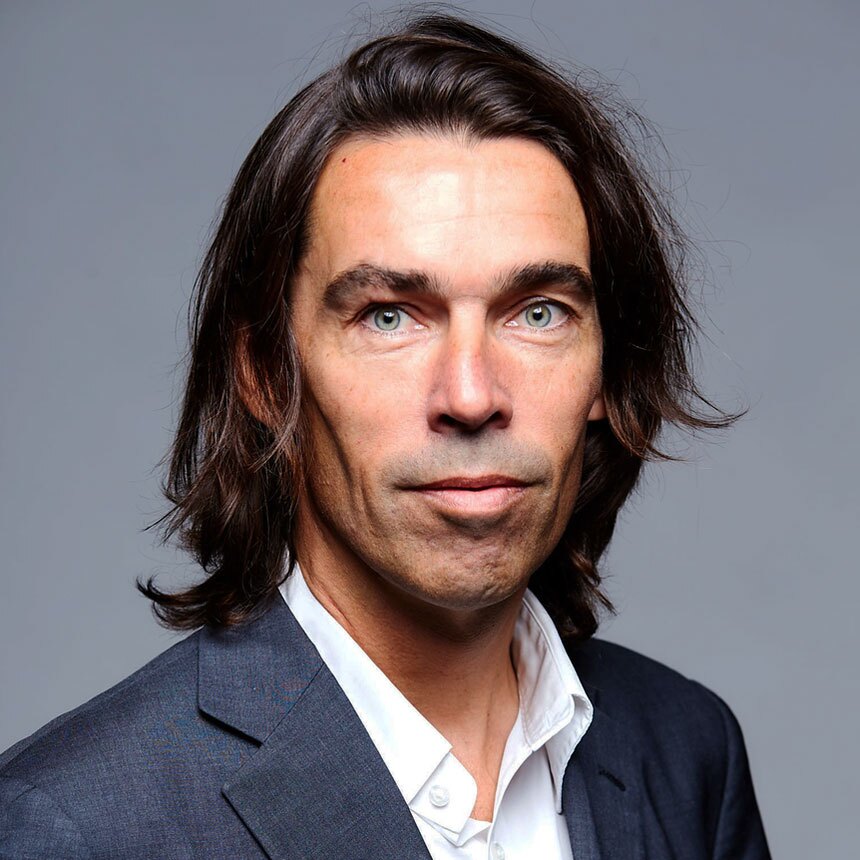
Hammarsten said the arena has 3 million visitors each year.
Also adjacent is the 35,000-seat, 45,000-capacity 3Arena, the home of two Swedish football clubs, Djurgården and Hammarby. The venue has hosted such acts as the Rolling Stones.
The music venues Atrium Ljungberg is developing will help future superstars jump up in logical steps from their first gigs to more major ones, before they, too, might make the final jump to the two local arenas.
“We’re adding to the ecosystem of music venues. We are able to attract recording artists to Stockholm, and with the regrowth of Swedish music, you need venues to play your first gig and then your next step and the one after that,” Hammarsten said.
Hammarsten said Atrium Ljungberg has the dominant share in the overall district regeneration, and she added transit infrastructure — including metro and tram — is already in place.
“When finished, we will own approximately 30%, the largest single development ever in Stockholm. It is an honor to do this, largely due to how we work as a company, by really taking huge responsibility,” she said.
Hammarsten added Atrium Ljungberg has just finished building a high school at the site, the first new one in Stockholm in 40 years.
“It is all about identity. What should [the finished project be like] in a Stockholm context, and how can we add to this mosaic?” she said.