
BERLIN — Tourism demand to Europe has been exceptionally strong in recent years, and while that's likely to remain the case, the region faces a higher level of headwinds with sustained war in the Middle East.
Speaking during the recent International Hospitality Investment Forum EMEA in Berlin, Janan Ganesh, associate editor for the Financial Times, said the amount of upheaval observed over the past decade would've been hard to fathom at the start of 2016.

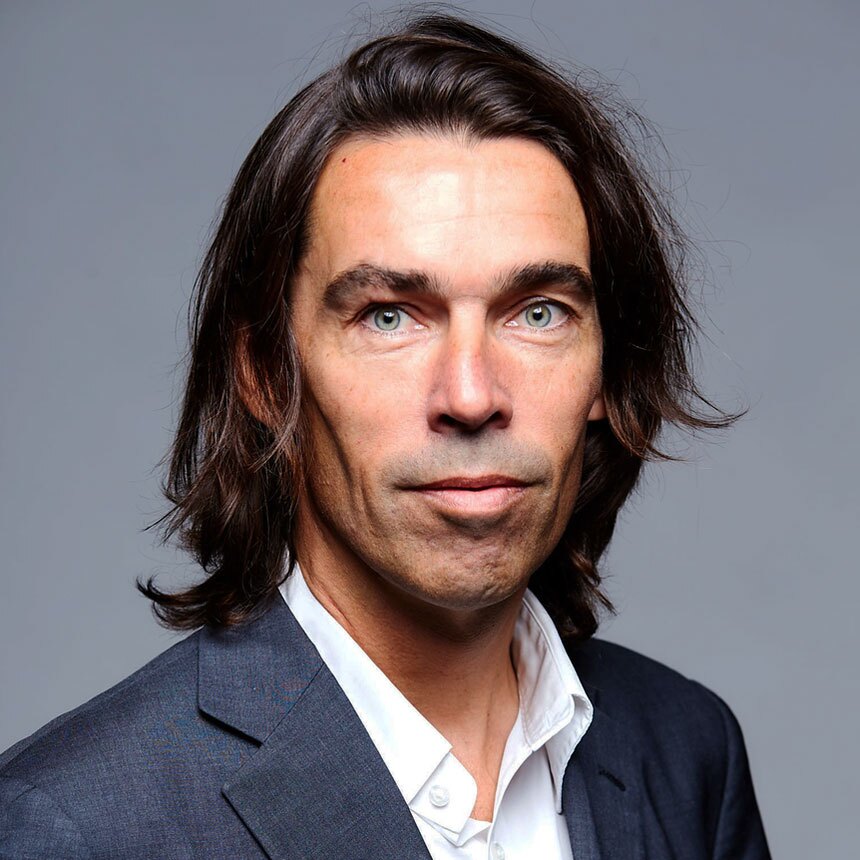
"At this conference 10 years ago, the geopolitics speaker would have had a real struggle to fill his or her 20 minutes," he said. "Nothing was happening. The U.K. was a member of the European Union. Hillary Clinton was obviously going to be elected U.S. president in about six months' time. Europe was entering its 71st consecutive year of peace since World War II."
Ganesh said the theme in 2016 was quiet on the surface but with "all the warning signs" there for the following decade of upheaval. The silver lining might be that 2026 could represent the inverse situation.
"In the spring of 2016, a lot of the signs were flashing, if not red, then at least orange, Ganesh said. "The world was superficially calm, and underneath that quite troubling. And my argument to you is that we now live in the exact inverse situation ... the world looks and is dangerous and volatile, but if you dig one or two layers below the surface, there are a couple of reasons to believe that the world will stabilize in if not the next year, then the next number of years."
Russia's 2022 invasion of Ukraine and the international backlash it spurred has actually discouraged other countries from taking aggressive military actions, with the U.S. and Israel's war with Iran is a notable exception, Ganesh said. He added China, in particular, has decided to "not [to go] anywhere near that kind of situation."
Another sign that the world could be approaching a period of more stability is a lot of older global leaders are approaching a point where they are aging out, giving way to a younger cohort of leadership that is less worried about establishing a lasting legacy than they are peace and prosperity, Ganesh said. Leaders in the U.S., Russia, China, India, Israel, Brazil and Turkey are all currently in their 70s.
"If you believe my hunch or my theory that age lies behind at least some of the chaos that we've seen in the world over the past decade, the natural follow on is that as the generation after the torch is passed could have a slightly more conciliatory approach," he said. "It won't be the case in all the countries I mentioned, but to pick one, it would be almost inconceivable in the U.S. that the next U.S. president would be as volatile as the current."
Ganesh also noted another stabilizing factor for Europe in particular is a high decrease of spending and focus on defense, with more countries joining NATO and countries such as Germany significantly increasing their defense budgets.
"You won't feel the effect today, but by the next decade, the continent should be much harder to contemplate picking a fight with, and should be much more able to be heard on the world stage," he said, adding it is likely U.K. holds a much closer relationship with the European Union both diplomatically and economically over the next decade.
From an economic standpoint, Robin Winkler, Deutsche Bank's chief Germany economist, said his home country is slated for an economic boom. But some of the economic tailwinds could be curtailed in the short term by increasing energy prices and uncertainty from how much the U.S. is willing to increase its hostilities with Iran.
"Energy prices, oil and gas are very likely to keep rising from here, but at some point, the political ramifications in the U.S. will require an actual intervention on the ground," he said.
Right now, the best-case scenario is short-term spikes in energy costs, which still in "troubled waters" for European economics, while the worst cast could be prolonged cost increases, Winkler said.
"I think it's essentially that we see an inflation shock that would look very similar to 2022," he said, referring to energy spikes related to Russia's invasion or Ukraine. "Now the energy price shock is very unlikely to be as bad as in '22, especially in Europe. Gas prices are not going to go as high. We're much better diversified nowadays."
Winkler also noted that geopolitics aren't the only source of uncertainty European economies, and therefore European hoteliers, face going forward. He agreed with the assessment that diplomacy could grow more stable in coming years, but he believes artificial intelligence will add an additional layer of disruption.
"We think that as early as 2026 — this year — it'll be decided how much AI can do, how much impact is going to have, not just in global businesses, but in the global economy, as well," he said.