
BERLIN — There is a broad perception that the booking journey for travel — and hotels more specifically — will move to one more driven by artificial intelligence as more consumers integrate generative AI in to their day-to-day lives.
But experts speaking at the International Hospitality Investment Forum EMEA said we're still not quite to that point today in terms of either adoption or industry readiness.

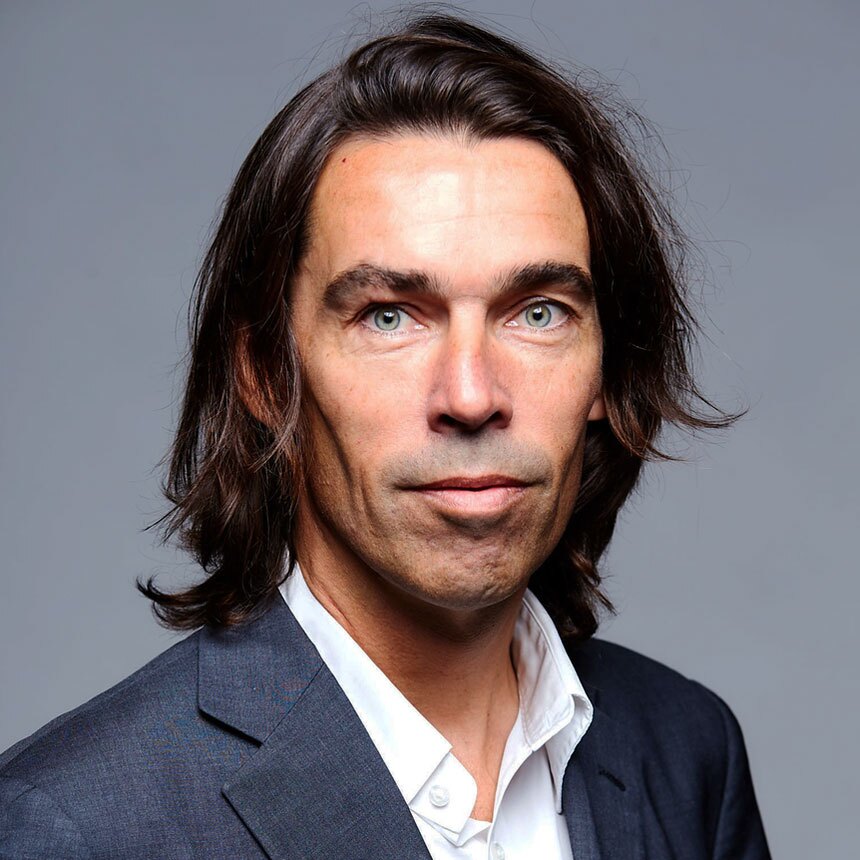
Jesse Stein, global head of real estate for Airbnb, said his company is still testing and expanding its use of AI for the top of the funnel.
AI-based hotel search is "a phenomenal opportunity, but I don't think we are there yet," he said during the "AI transformation, hospitality returns" session.
Stein said Airbnb is testing AI in top-of-the-funnel cases in small areas. One critical element to getting it right? Knowing what the guest wants.
"Understanding what the consumer is looking for, what the individual trip is for, is really, really, really important," he said. "We have to connect that with the systems of the hotel industry, because it takes time to change systems."
Stein hearkened back to his time working as an executive at Kimpton Hotels & Restaurants when acquiring a hotel meant the challenging task of completely reworking that property's tech infrastructure. Even though he's now at Airbnb, a company with significantly more tech resources, he said change still takes a significant amount of time.
Overall, Stein is optimistic about how AI will eventually become a larger part of the booking journey for hotels and travel.
Improving AI integration "is not something that's going to happen overnight, but today is the worst ... AI will ever be," he said. "It's only going to get better from today, and what the world looks like in five years, if anyone tells you they know, they're lying."
Stein added AI's traffic is still overwhelmingly organic.
Richard Valtr, founder of Mews, said the best evolution of AI will involve reductions in distribution costs for hotels. Twenty years ago, hotels were essentially paying 25% to 35% of the value of the booking to customer acquisition, and OTAs have helped bring that down to 15% to 20%, he said.
"I think that new wave of technology should bring it down, whether it brings it down to 5% on average or 10%, 12%, 15%" is yet to be seen, he said.
How consumer-facing AI integrations ultimately come together are still unclear, Valtr said.
"What are the ways, for example, that a [large-language model] is going to look through our booking engine to book a specific room?" he asked. "How can we optimize that? How can we help the hotel actually think about what should be its on-property content creation so they show up better in search results? It's hugely complex. Nobody knows what's going to happen."
For now, much of the hotel industry's opportunity with artificial intelligence continues to revolve around back-end automation, particularly in areas such as revenue management and pricing, Valtr said.
"There's multiple hotels that have really seen a huge uplift," he said. "On average, we track it to about 20% uplift of [average daily rate] of the hotels we were surveying."
Kike Sarasola, president and founder of Room Mate Hotels, agreed that today's AI deployments are largely back of house for hotels. He said there are definitely benefits from things such as revenue-management automation, but he also believes the technology should be a significant driver of connection with guests.
"What many people are doing is trying to find an AI solution to everything and to make everything [about making] more money, and I think that's very, very dangerous," he said. "I think we have to really think of making it more human and more understandable."
Part of that push, he said, is developing agentic AI personas for each of Room Mate's hotels, positioning each as "a fictional friend [with] a personality, a face and a name."
Any customer interactions with AI also have to be backstopped by connecting guests to real human beings in case something goes wrong, Sarasola said. He added he's hopeful AI can be used to help develop more human connections
"We're really focused on being unique, human and making it make me be different," he said. "AI lets you be different."
