
Hoteliers have been circling the 2026 FIFA World Cup on their calendars for years now. Now that kickoff is less than 100 days away, the attitude surrounding it is souring.
Nearly eight years ago, North America was chosen as the host of the quadrennial soccer tournament, with this iteration set to feature a record amount of teams and matches.
If the time elapsed between the selection of the continent as host and the start of the event — June 13, 2018, to June 11, 2026 — were a soccer match, it'd currently be in the 87th minute out of 90. The score of the match would be tied; the outcome is up in the air.
Sometimes playing for a draw is wiser than going all-out for a win.
There's little doubt among hoteliers and analysts alike that the World Cup will bring positive hotel demand to each of the 16 host markets. The latest forecast from CoStar and Tourism Economics projects a 1.7% increase in U.S. revenue per available room for the months of June and July, driven by a 12.7% increase in RevPAR at U.S. host markets for those months.
But questions and concerns about hotel demand not being as positive as expected continue to pile up as the tournament nears, dampening the sentiment surrounding the blockbuster event.


Uncertainty afoot
One of the biggest questions regarding hotel demand with the World Cup is how many rooms will actually be occupied by the FIFA room block, said Jan Freitag, national director of hospitality market analytics at CoStar.
A couple of years ago, the governing body of soccer locked down contracts at hotels in the host markets to reserve rooms for ticket-purchasing fans. The holds were set to last until 120 days prior to the tournament starting but were whittled down to 90 days in some cases.
As the tournament approaches, it appears likely that FIFA won't use nearly as many rooms as anticipated, which will leave hoteliers scrambling to fill the rooms.
Harry Carr, senior vice president of commercial optimization at Pivot Hotels & Resorts — the lifestyle hotel operating vehicle of Davidson Hospitality Group — said his company's hotel portfolio has started receiving its FIFA room-block holds back. At some of its hotels, those World Cup room blocks didn't have a single reservation made.
"I think it's just they overcalculated. I don't know if it's just the demand itself or the current conditions that are pushing it away, but we are much less bullish about World Cup than we were three months ago," Carr said.

Lior Sekler, chief commercial officer at HRI Lodging, said the actualized demand from these reserved room blocks has been "very lackluster." At HRI's Bay Area hotels, only 15% of the reserved rooms were picked up.
While it's not ideal, this may not actualize into a major problem, Freitag said, since group booking windows have been shortened over the past couple of years. However, it is another piece of the hotel demand puzzle missing with not a lot of time left.
Kristen Weaver, vice president of revenue and e-commerce at GF Hotels & Resorts, said certain World Cup host markets are still locked up tight. There are hotel markets where rates are high and have advanced-purchase restrictions in place, and there are markets where there are no rooms available currently because of room blocks.
"The uncertainty is definitely still there, which is kind of unsettling at this point in the game," she said.
Demand remains in the three to five days surrounding a match, but it's not going to be a monthlong event like some thought it could be, Carr said. Rates are starting to drop in urban markets; suburban markets have actually performed better in regard to hotel bookings due to the lower price points.
It's getting close to the point where it might be time to consider dropping rates — if it hasn't already started.
"If you're not 100% set up for an entire market sellout because there's so much supply and not enough demand, it might be almost time to start loosening the reins a little bit and seeing what we can book," Weaver said.
Sekler said HRI has started to shift its strategy a bit, but the company won't have a firm indication of how demand will play out until mid-May.
"We're opening transient, we are removing length-of-stay restrictions, we're offering inventory to groups outside of FIFA," he said. "We're kind of like business as usual."
Performance on the books varies from market to market. Dallas, for example, has seen higher hotel demand and more group business for longer stays, both Weaver and Sekler said.
International inbound concerns
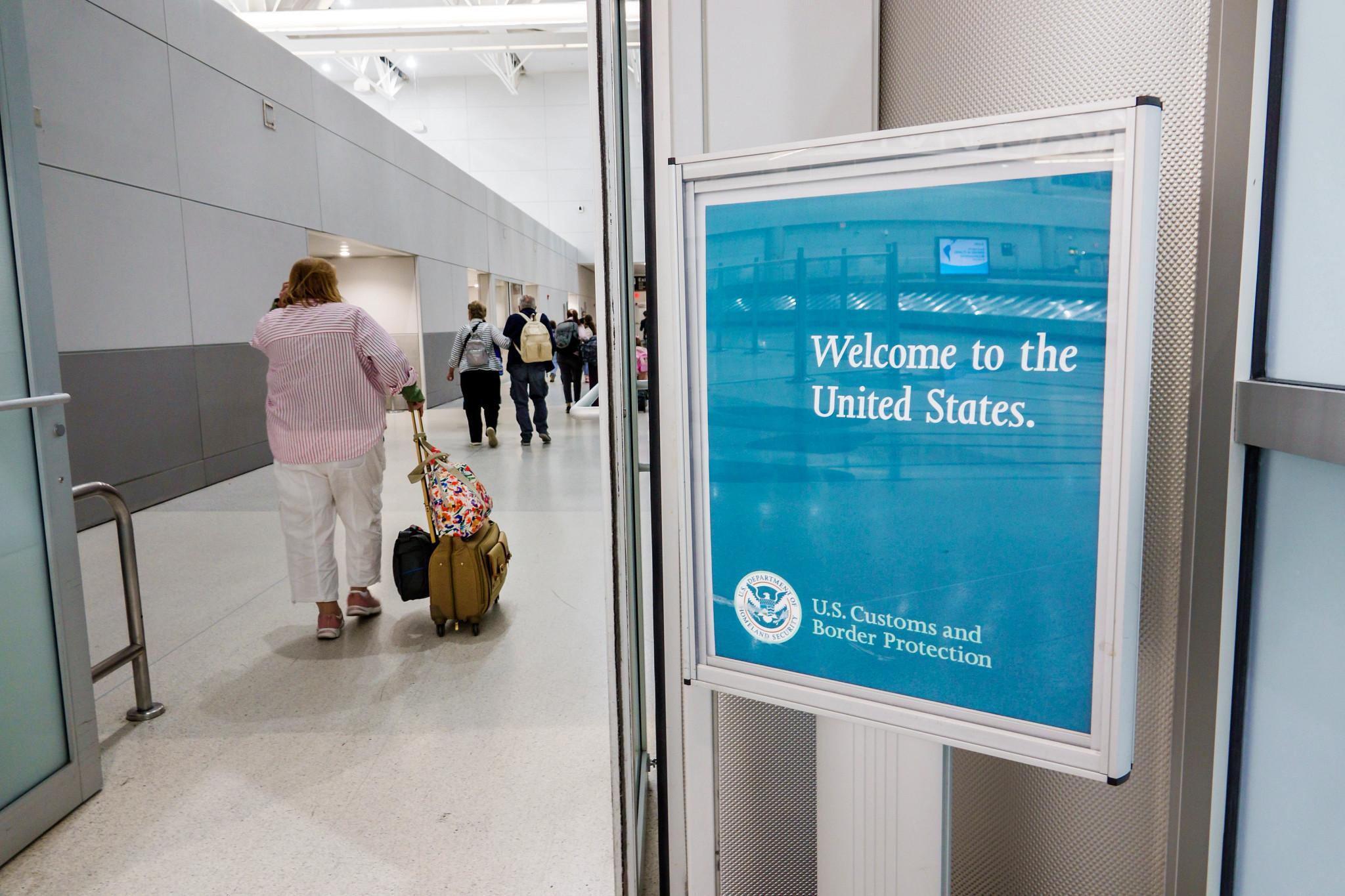
Hotel executives were already expressing their worries that the U.S. wasn't doing enough to be a welcoming country for international visitors ahead of major events such as the World Cup in January at the Americas Lodging Investment Summit. Since then, it's taken a turn for the worse.
The Iran war — set off by preemptive strikes on the country by the U.S. and Israel in late February — is widely unpopular among Americans. The New York Times reports that 41% of Americans expressed public support for U.S. military intervention in Iran, the lowest percentage of support among international conflicts dating back to World War II.
And that's just the sentiment among Americans. Growing geopolitical tensions could cast a shadow over the global event.
"I would say that our concern is growing," Weaver said.
Four of the countries in the tournament — Iran, Senegal, Ivory Coast and Haiti — are on U.S. President Donald Trump's travel ban list, meaning fans from those countries won't be able to receive a visa to travel to America.
On Jan. 21, the Department of State paused immigrant visa issuances to applicants from 75 countries, including Brazil, Colombia and Egypt. This shouldn't affect non-immigrant tourists from being granted a visa, but it doesn't guarantee approval.
Those who have purchased a World Cup ticket through FIFA will have the chance to interview for a B1/B2 visitor visa before the tournament begins through the FIFA Priority Appointment Scheduling System.
The concerns about international travel go beyond hotel demand. Weaver said there will likely be increased security at hotels in markets where there could be protests, such as Los Angeles, which is set to host Iran's first two group stage matches.
"Our biggest concern is making sure that all of our staff and all of our guests are safe," she said.
Weaver said GF Hotels & Resorts is monitoring international travel trends, but it isn't time to panic just yet. If there isn't a pickup in transient demand on the books from international travelers by the 45-day mark, that would be a cause of concern.
International inbound trends aren't all negative. Carr said he's still seeing interest from these travelers, and the major games and biggest markets will still net a good amount of fans. He added Pivot adjusted its cancellation policy from non-refundable to 30-day cancellation policies to account for some of the worries.
"A lot of that has to do with the uncertainty in the world right now and giving people an opportunity if something negative happens, they're not 100% locked into the purchase," he said.
Overall impact
All things considered, the 2026 FIFA World Cup will be a boon to hotel demand for the U.S., especially in the host markets. There will be positives to take away and lessons learned ahead of the 2028 Los Angeles Olympics.
But it's hard not to imagine what the impact could have been.
"The overall numbers are likely going to be a little bit disappointing if the trends hold that we're talking about today," Freitag said.
All hope isn't lost just yet, though.
Weaver said she's choosing to take an optimistic approach to the event.
"We didn't budget for the World Cup like we would typically budget for a major event like a Super Bowl because there are so many unknowns," she said. "We are looking forward to having some sort of a positive impact for most of our properties ... how much depends on the traveler sentiment for the teams that are at each location and then also what ends up transpiring overseas by the time we get to June."
While locking down group blocks for a long length of stay was the initial hope and strategy, Carr said there could be a major pickup in the transient leisure guest closer to the matches.
There's also a whole group stage to be played that could affect the desirability of the tournament's knockout stage matches based on the matchups.
"Maybe what's going to happen is that we're going to see this tale of two World Cups, that what happens in June is underwhelming and what happens in July is on par or better," Freitag said.
Carr agreed, holding onto the hope that there's still World Cup hotel demand out there.
"There might be some great buzz behind [the knockout stage]," Carr said. "I'm not as optimistic as I was three months ago, but I'm not ready to call it a bust."