
When the San Francisco 49ers moved from Candlestick Park to Levi's Stadium in Santa Clara, California, they didn’t just relocate their home field, they altered how the Bay Area hosts events.
Now located roughly 45 miles south of San Francisco, the $1.2 billion stadium was designed to maximize revenue through expanded parking, premium seating and modern amenities, enabling the 49ers to host the Super Bowl for the first time in more than 30 years in 2016.
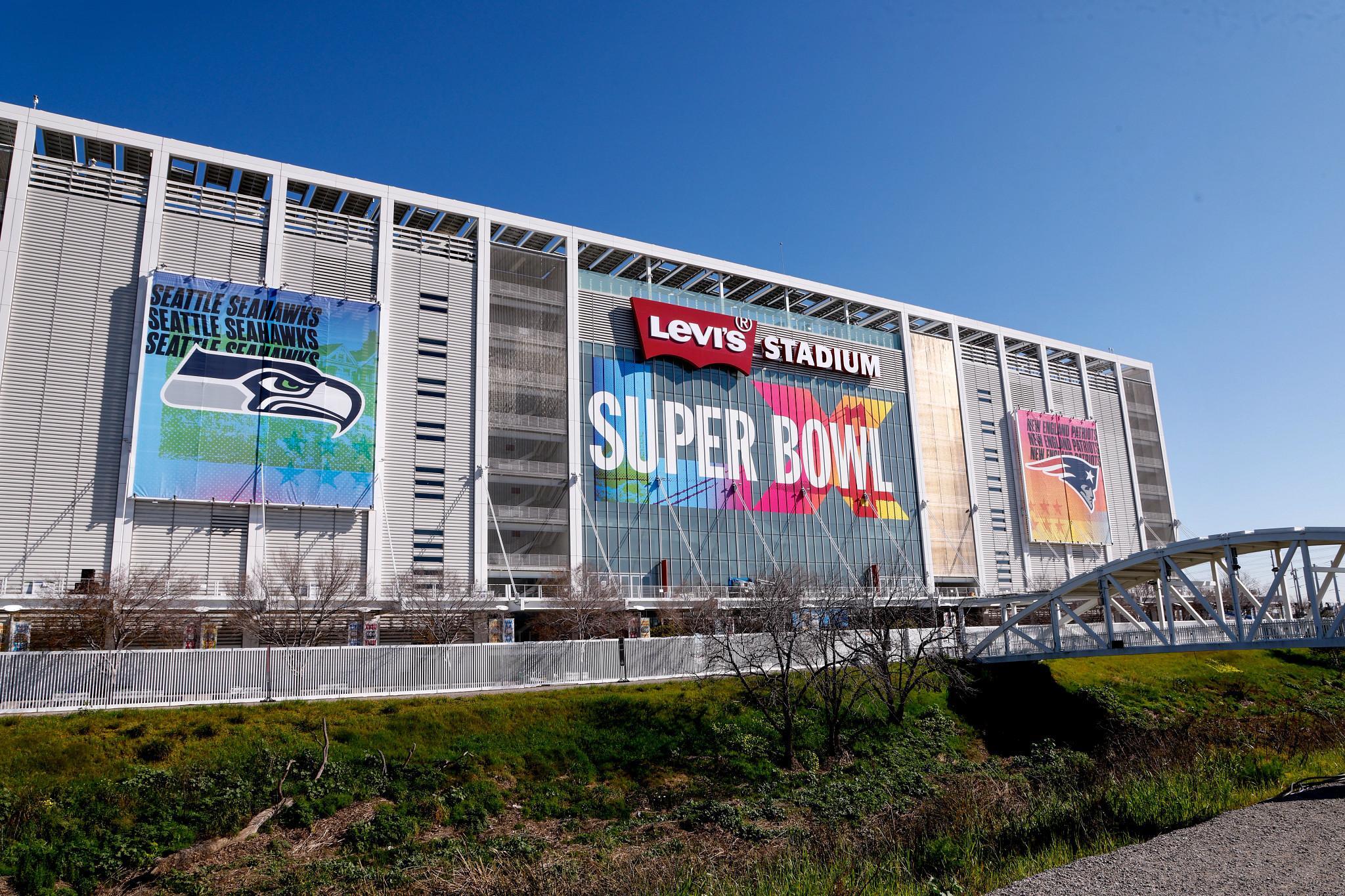

Yet when the Super Bowl first arrived at Levi's Stadium, hotel demand told a surprising story. Despite the game being played in Santa Clara, San Francisco hotels captured the majority of the lodging lift as fans, media members and league personnel largely chose to stay in the city and commuted to the stadium.
Ten years later, when the Super Bowl returned to the Bay Area in 2026, that pattern changed. Hotel demand after the game shifted away from San Francisco and toward submarkets closer to the stadium, reflecting not just a different event outcome but a decade of learned behavior, expanded hotel supply and the maturation of the South Bay as an event destination in its own right.
Following the 2016 Super Bowl, fans and media members voiced their frustrations with the time they spent in traffic following the game. The hour-long drive from Santa Clara to San Francisco stretched to multiple hours for some stuck in the bottleneck of post-game traffic. On their way up the peninsula, fans passed hotels with availability and average daily rates 39% lower than in San Francisco that night.
When the Super Bowl returned to the Bay Area this year, many attendees opted out of the trip north to San Francisco. The submarkets within a 20-mile radius of Levi's Stadium saw a 22% increase in Sunday occupancy compared to 2016. These hotels, accounting for roughly the same room supply as San Francisco, combined for an 88% occupancy rate on Sunday, surpassing the 82% occupancy seen in San Francisco. Santa Clara and San Jose central business district submarkets — the two closest to the stadium — had the highest Sunday occupancy in the Bay Area of 93%. Inflation-adjusted RevPAR in San Francisco on Sunday was down 5% from 2016, driven by a 6% decline in occupancy.

While the scar tissue from 2016 likely influenced some media members and NFL personnel’s hotel decision-making, the growth of the area surrounding Levi's Stadium also played a major role in this shift.
When the Super Bowl was played in 2016, Levi's Stadium was just over one year old. In the 10 years since that first Super Bowl, Santa Clara has hosted each 49ers home game, dozens of high-profile concerts and music events and numerous special sporting events outside of the NFL.
On top of the added travel from events, Levi's Stadium is located within the heart of Silicon Valley, which is home to largest concentration of Fortune 500 companies in the world. The heightened levels of business and event attention over the last 10 years have resulted in not only a 14% increase in hotel room supply but also the infrastructure, entertainment and nightlife growth to keep Super Bowl patrons in the area after the game.

The shift in Super Bowl Sunday hotel demand from San Francisco toward Santa Clara and San Jose highlights how repeat hosting, infrastructure growth and experience-driven decision-making can reshape event lodging patterns. San Francisco still played a critical role in the broader Super Bowl week, hosting media centers, corporate activations and ancillary events. However, the game-night data suggests a shift in hotel choice toward proximity and value.
As the Bay Area prepares to host six FIFA World Cup matches at Levi's Stadium this summer, the region will face a new test of whether this demand shift is structural or Super Bowl‑specific. With longer stays, a higher share of international visitors, and multiple match days, World Cup lodging patterns may further clarify how demand behaves in geographically distributed host markets.
The Bay Area’s experience may also draw interest from other NFL ownership groups considering stadium sites outside traditional downtown settings. As teams such as the Chicago Bears evaluate the implications of relocating stadiums beyond the urban core, Levi's Stadium’s Super Bowl history illustrates how event‑driven hotel demand can shift over time as surrounding submarkets add supply, infrastructure and credibility.
Cole Martin is an analytics and insights specialist at STR.