
Officials from the nation’s capital, a fixture at the industry’s largest retail real estate conference for 26 years, are back in Las Vegas this week courting chains and developers.
A delegation from Washington, D.C. — including Mayor Muriel Bowser and representatives from the Office of the Deputy Mayor for Planning and Economic Development and the Washington D.C. Economic Partnership — has its own large booth at the annual ICSC conference at the Las Vegas Convention Center.
The officials used the confab to release a new strategic retail plan, an action framework designed to bolster D.C.’s retail sector and position the district for long-term growth in the current economy. The study, prepared by Streetsense, evaluates the district's evolving retail landscape and offers strategies to align retail expansion with changing consumer behavior, neighborhood demand and post-pandemic business needs.
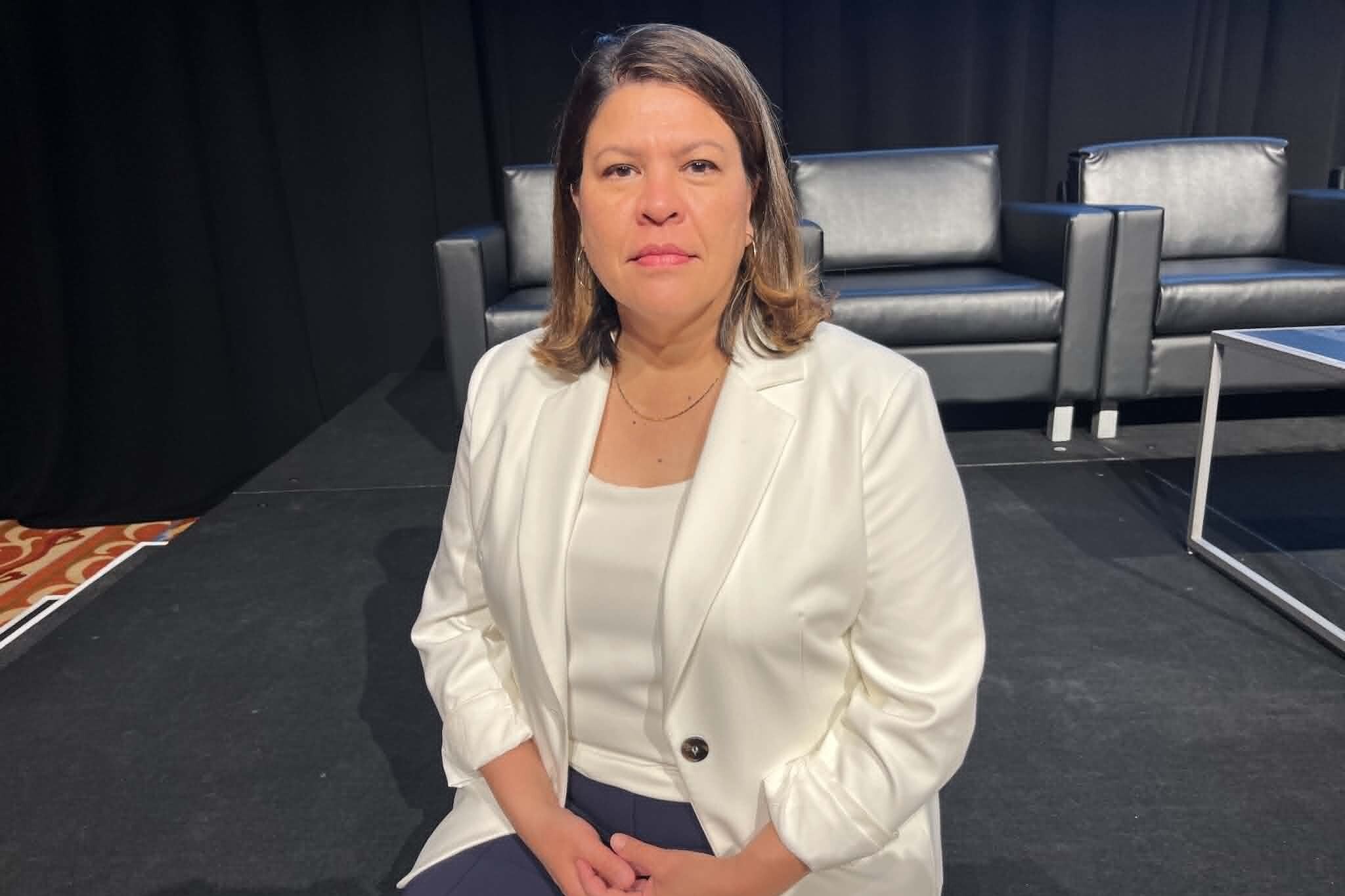
The district's retail market isn't in decline but rather has been disrupted and is being restructured, according to the report. In part, that means the emphasis should shift — a priority of the mayor — on attracting entertainment, food and beverage, fitness and wellness, pet supplies and services tenants.
"Our goal as a city is to have a grocer within a one-mile radius of every resident," Nina Albert, deputy mayor for planning and economic development, said in an interview with CoStar News.
It also translates into creating a retail landscape that's no longer focused on daytime office workers but pivots to creating a "nightlife economy" to serve downtown residents and those coming into the city for dining and relaxation, according to Albert.
Albert, part of the District's delegation to the ICSC, said the conference gives the city a chance to inform developers and retailers what programs and incentives the city has to offer, what its consumer base is and why these companies should invest.
"It's also an opportunity for retailers to meet D.C.'s highest level of government official," Albert said. "So Mayor Bowser is here ... so she can hear directly from retailers about what they need and if there are changes that need to be made. We are kind of right there at the ready to respond to that. But vice versa, they can hear from her where her priorities are. And that trend has been happening for five mayors now."
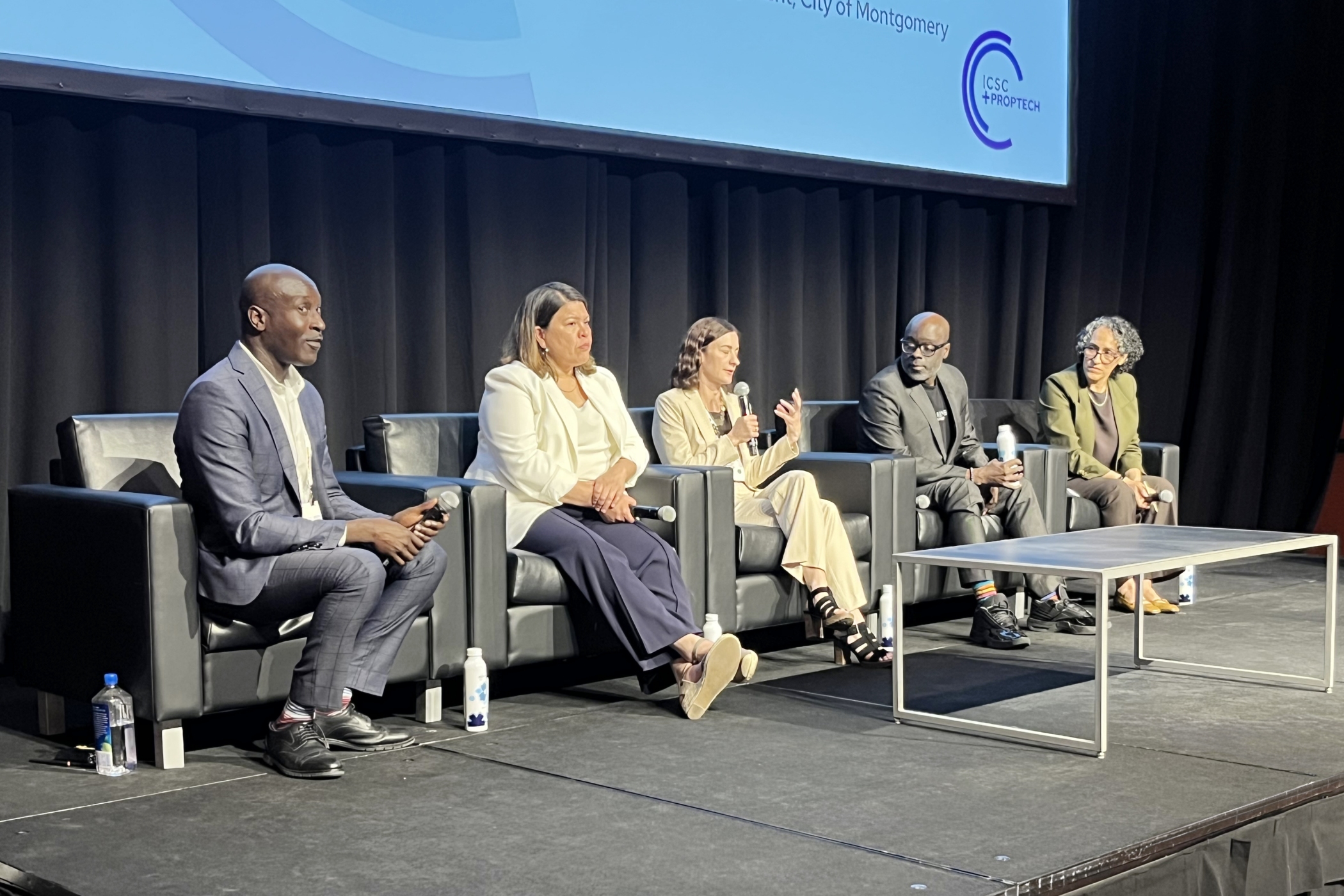
Albert participated in a panel Monday regarding reviving vacant downtown retail space. On Tuesday, the actual floor of the ICSC conference opened and the D.C. delegation had a host of meetings set up. Using findings from the study — and detailing the district's special commitment to attract more grocery stores — the city's economic partnership is seeking to generate new leads, strengthen its relationships with retailers and brokers, and position D.C. as a market for retail investment and growth.

This effort includes meetings with major national retailers, some of them already in D.C., but the city would like to see them expand, and other discussions with chains it wants to introduce to the market, according to Albert.
The new study found there's strong retail demand in the city supported by nearly 700,000 residents, 743,000 jobs and more than 27 million annual visitors. All told, that demand generates an estimated $14 billion spending base citywide.
The report also determined that retail performance varies significantly by neighborhood, with residentially anchored corridors outperforming office-dependent areas that have been seen reduced daytime foot traffic, including the layoffs of government employees.
One of the biggest planks of Bowser's economic development strategy has been offering financial incentives for landlords to convert outdated downtown office buildings into residences. The goal is to transform 2 million to 2.5 million square feet of underutilized office space into housing, retail space, hotels, offices space and restaurants by offering a 15-year temporary property tax freeze.
One of these office-to-residential conversions, the Elle apartments at 1111 20th St. NW, attracted a ground-floor restaurant called Moxies that is "doing super well," according to Albert. "It serves the after-work crowd, for happy hour, but it also serves the residential crowd," she said.
According to the report, "Retail demand is now anchored by residents and visitors." Grocers are also being offered economic incentives to open up shop, Albert said.
The report found that in D.C. consumers are 14.6% more likely to shop online than the national average, according to Albert.
"What we have focused on is really retail where they can't be supplanted by internet shopping," Albert said. "So, food and beverage. Services, which is a huge growing area. Entertainment, which ... is one of Mayor Bowser's growth sectors."
The mayor has several initiatives to spur retail growth. One is a $3.8 million restaurant and retail grant, launched earlier this month. It provides financial relief to brick-and-mortar businesses that took a hit in 2025. Another retail grant program has distributed more than $4.5 million to over 500 local businesses since 2019.
The city administration has taken action to cut red tape for businesses, introducing a measure in 2026 to modernize alcohol laws and reduce barriers to entry for entrepreneurs. The study cited the importance of improving the district’s regulatory and permitting environment.