
SAN ANTONIO — Hotel performance driven by the 2026 FIFA World Cup so far has been a mixed bag, with some host markets hitting their stride while others are relegated to the sidelines.
At the recent Hospitality Sales and Marketing Association International's Commercial Strategy Conference, two data experts looked at current booking and traveler intent numbers.
Some markets were performing as expected, while others have seen surprising hotel activity, according to Kristi White, vice president of reporting, data and analytics at Groups360, who focused on booking data. Silvia Camarota, senior director of market management at Expedia Group, added in traveler intent context.


Camarota identified Dallas as one of the markets meeting World Cup expectations.
"In the last 20 days, the travel intent is sitting around 35% [growth] year over year," she said.
A favorable tournament draw for the city and strong direct flight routes are both contributing to strong hotel demand.
"We really expected to see strong demand in Dallas," Camarota said. "Dallas is massive, we know that, but [demand has] extended beyond the immediate Arlington area, [keeping] some markets, like Fort Worth, especially, doing really well."
While Camarota identified Dallas as a "breakaway market," White disagreed slightly. Groups360's data looked at hotels within 10 miles of the stadium, which aren't performing well, she said.
"The hotels nearest the stadium, and by nearest I mean they could throw a baseball and hit the stadium, still had rooms available for this past weekend's games," she said.
Dallas — as well as a few other World Cup host markets — seemed to have overpriced themselves only to lower rates closer to the matches, and by then it was too late, White said. White, who lives in Arlington, Texas, added that there's not much to do around the stadium, so travelers might be seeking hotel stays in Dallas or Fort Worth where there's more excitement.
The markets that are getting it wrong
One observation White shared is that cities that have their stadiums integrated into their city centers are performing better than others during the World Cup. She used San Francisco and Silicon Valley as an example of a struggling host market that has its stadium far away from the city center.
The exceptions are Houston and Atlanta, which have stadiums relatively central and yet are struggling this summer to convert the World Cup excitement into a boost in bookings White said. Atlanta has seen a year-over-year decline in hotel occupancy while raising rate over 13% for all dates and 26.3% for game days.

This pricing strategy deterred non-World Cup travelers from booking trips to Atlanta, Dallas and Houston, White said. All three markets host major football games in the fall, and in comparison to those events, hoteliers should have treated their pricing similar to those game days, she added.
"It's a Tuesday for these guys, and they didn't price themselves with that in mind," she said, adding that "they grew the rate [while] the occupancy and the demand functionally wasn't there."
Houston has had a similar story, Camarota said. Like Dallas and Atlanta, there's a large amount of inventory of hotel rooms citywide in Houston, so there's not as much compression allowing hoteliers to see gains from an increased rate.
Hotel demand is spread across the greater Houston area, White added, even extending to nearby coastal city Galveston.
"In Houston, there may be people that are going out to outer markets and staying elsewhere because they can do the beach on non-game days and just drive in for the game," White said.
Host cities with an opportunity to score
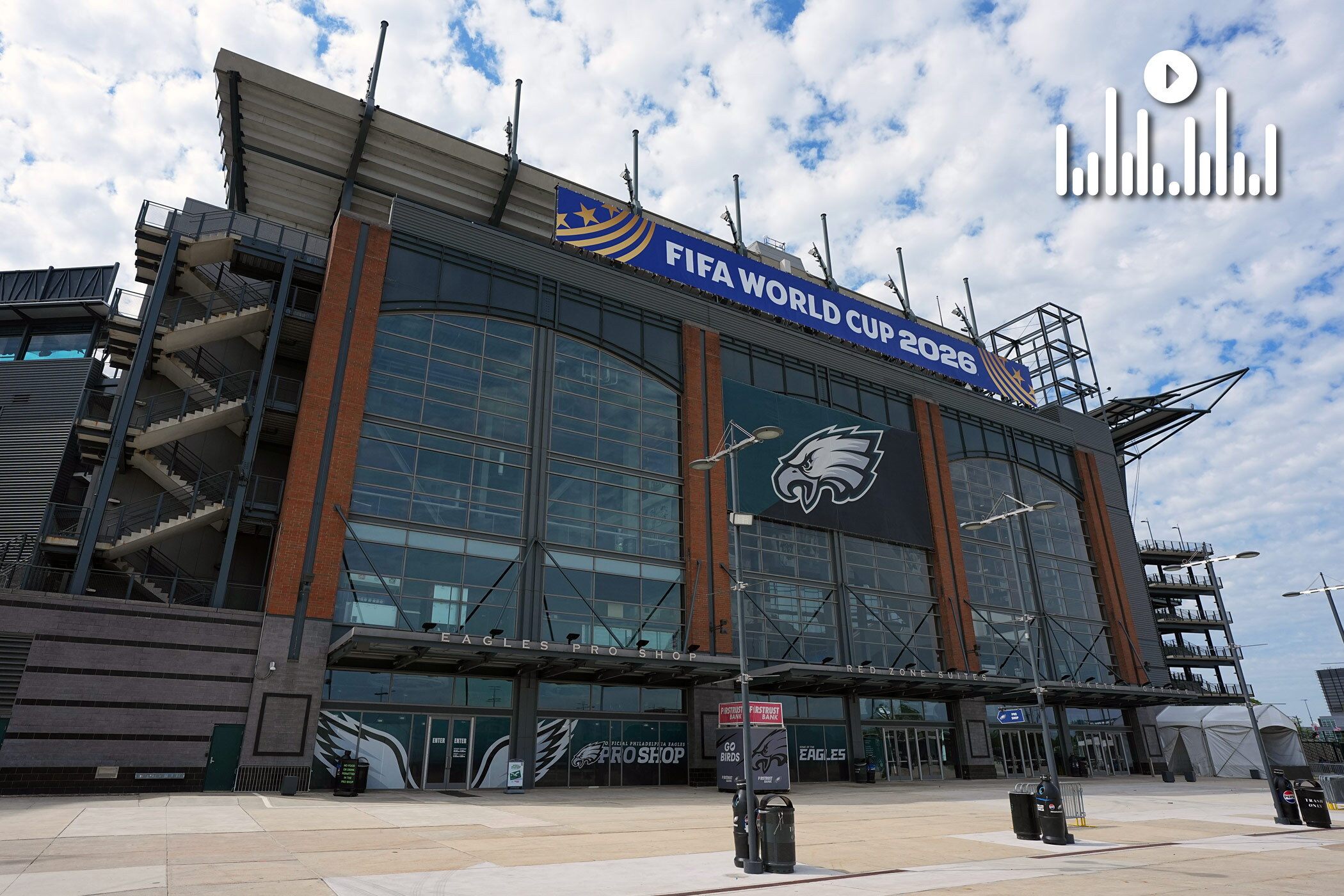
While Philadelphia has had a similar experience to Houston — decline in hotel occupancy with increased rate — White said the city has a lot of potential for the rest of the tournament. New York City has had a slow start, too, but is building momentum.
Both presenters agreed that two non-U.S. host cities have really delivered on hotel performance and traveler intent. Toronto hotels managed to push rate and drive occupancy throughout the weeks leading up to the early matches, White said. Spillover markets — Buffalo, New York, and Canada's Hamilton and Niagara Lake — saw 20% and 10% traveler intent increase, respectively, Camarota added.
"This was one of those things — you had a great fan base, people can drive there, they can fly there, they can get there," White said. "Everything aligns to make this market do exactly what we want to see it do in an event like this."
Vancouver also has seen growth in interest from travelers, and the city's beauty and walkability has contributed to the boost in hotel bookings, White said. While cities such as Atlanta and Houston have large hotel room inventory, Vancouver's market saw more compression. With a 54,000-person stadium capacity and 24,000 hotel rooms in Vancouver, that's a winning formula, she said.
Monterrey, Mexico, has experienced similar success as a World Cup host market. Camarota said that the city has seen the highest travel intent across the past 28 days. Since Monterrey isn't hosting its national team for any of its matches, the increase is due to international travelers coming in.
Monterrey is "only hosting four matches, so it's a shorter, more concentrated demand window that you're seeing here, but there are some meaningful matches happening here as well," she said.
Other markets are "sleepers," meaning they have some momentum now with more opportunities incoming, Camarota said. Miami has attracted a lot of international travelers, and Brazil and Argentina fans have been driving the momentum.
Kansas City, which is among the smallest and most condensed hotel markets among tournament hosts, has been able to grow hotel occupancy with a 100% increase in rate on game days, White said.
"How many times in your life do you get to say that you're up 100%? Now, granted, their average rates were $140 so they had nowhere to go but up, but still 100% increase in rate," White said. "I've been doing this for a long time, and I can count on no hands, no fingers, the number of times I've had 100% rate increase."
Playing the long game
A takeaway from the data is that some World Cup host markets failed to make the right moves in terms of pricing, and it wasn't entirely the hoteliers' fault, White said. The blocks of rooms that FIFA reserved wasn't real demand, and when they were released, hotels didn't reevaluate the strategy.
"I've been a revenue manager for, it's gonna hurt me to say this, but 35 years I've been doing this," White said. "We as hoteliers forget how to revenue-manage every time a big thing comes to town."
The increased prices for FIFA match tickets have also changed the game, White said.
"This is no longer a fan event. This is a corporate scene-and-be-seen event," she said. "People that can afford to pay those tickets don't need rooms in your market. They have access to a corporate jet. They are flying in, they're going to the game, and they're flying out."
Camarota added that it's still early in the tournament. Hoteliers can learn in real time to adjust for the rest of the matches as well as future sporting events down the road.
"There is a plan, right? This is something that's repeatable. We're learning about it," Camarota said. "We're spending a ton of [time on] information learning about what does this mean to us, and how can we repeat this game plan over and over again in smarter ways than ever before."