
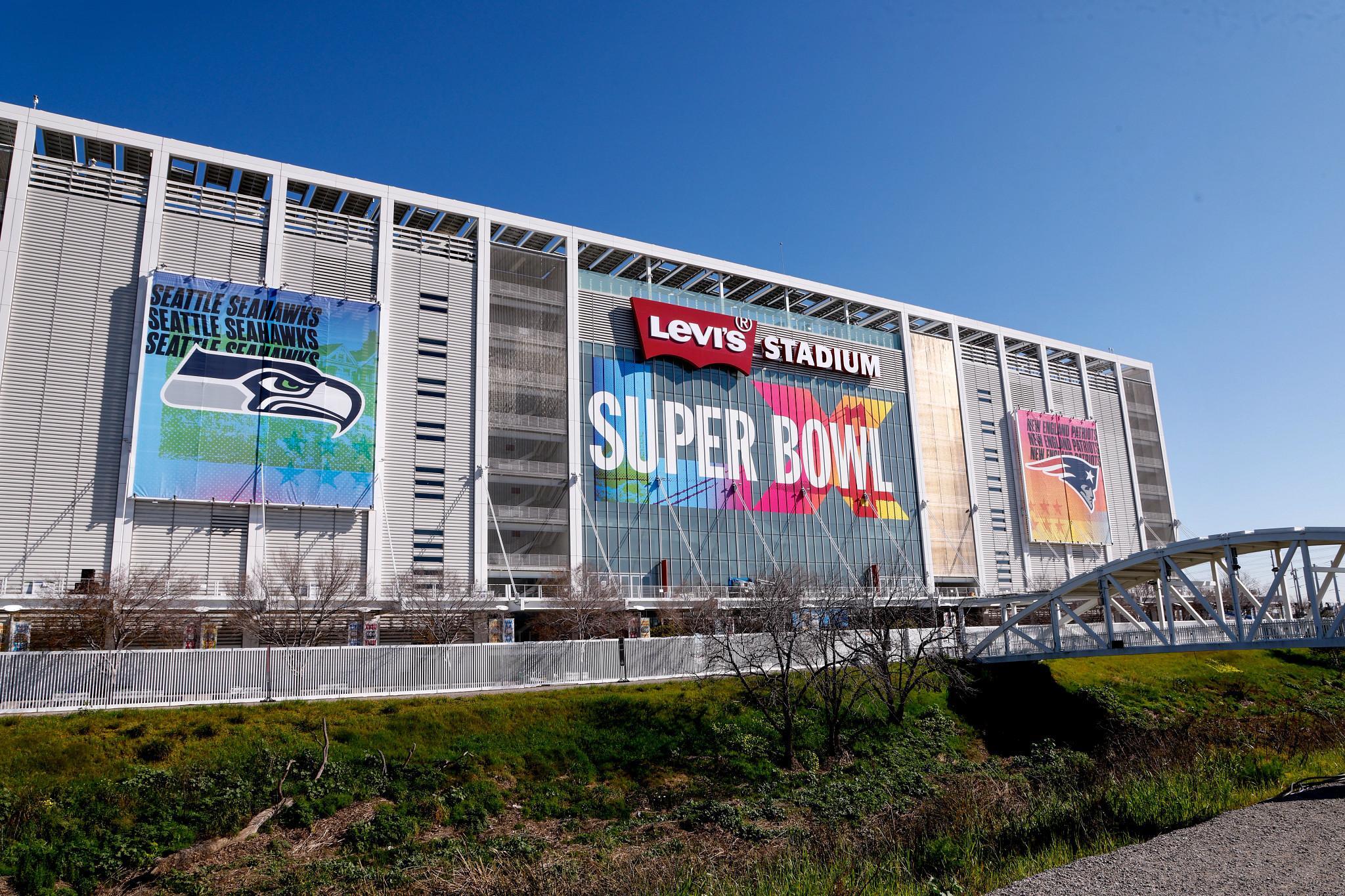
On Sunday, the NFL's Seattle Seahawks face the New England Patriots in Super Bowl LX, marking a repeat of the Super Bowl matchup of 2015. This year, the Seahawks and the Patriots each come into the big game after a regular season record of 14-3.
As fans start comparing the relative strengths of the opposing teams, here's a CoStar analysis of how the two commercial real estate markets match up.
Overview
Boston 
| Seattle 
| |
| Metropolitan area population | 5.03 million | 4.2 million |
| Population growth | 0.6% | 1.0% |
| Total employment | 2.8 million | 2.2 million |
| Employment growth | 0.0% | 0.4% |
| Median household income | $118,130 | $120,000 |
| Income growth | 1.8% | 2.6% |
Industrial matchup
Seattle Market size: 368 million square feet
After three straight years of negative absorption, the net change between move-ins and move-outs, it’s clear that the Seattle industrial market has been playing from behind. In 2025, occupancy fell by nearly 1 million square feet. At the same time, new supply completions remain elevated, with builders adding about 5.5 million square feet over the same time. With demand remaining weak amid elevated building completions, the region has experienced three years of steadily rising vacancy.
As a result of this supply glut, rent growth has softened. Across the Seattle market, the average asking rent growth came in at just 0.8%, the market’s worst performance since the Great Recession. Speculative construction remains high, sublet availability is rising, and demand risks tied to shifts in international trade persist. Therefore, the market is likely to see continued elevated vacancy and subdued rent growth in 2026.
Boston Market size: 373 million square feet
Similar to Seattle, the Boston industrial market recorded its third consecutive year of negative absorption by the end of 2025, marking its lowest level since the Great Recession. Vacancies continue to rise, driven by a record 7.5 million square feet in completions over the past two years. Leasing has remained subdued, though it has rebounded to a three-year high in 2025. Vacancy is forecast to plateau by mid-year as construction slows and leasing looks to carry momentum in 2026.

As a result of high vacancy rates, record completions, and muted leasing, rent growth has fallen to a post-pandemic low of 2.5% year-over-year. Still, it remains 90 basis points above the national average. Rent growth has exceeded national gains since the third quarter of 2023 and is forecast to stay below 2.0% for the next few quarters.
Advantage: Boston
Retail matchup
Seattle Market size: 175 million square feet
The Emerald City’s retail leasing story is mixed, with the market for spaces under 5,000 square feet remaining extremely tight, even as some national chains vacate larger spaces. Last year alone, Fred Meyer announced the closing of five stores totaling 750,000 square feet of large-format space. Even so, some of this space could be slated for redevelopment rather than put on the market. That would continue a multi-year trend of low retail availability in Seattle, driven by shrinking inventory.
Retail rents in Seattle are still rising, but at a slower rate. Nominal rent growth remains positive, driven by shrinking long-term inventory and steady demand for smaller suburban spaces. However, when concessions are considered, effective rent growth has likely leveled off, especially in the urban core. Looking ahead, limited new construction and ongoing inventory reductions will help support pricing, but increased concessions and weaker consumer spending may restrict real rent gains.
Boston Market size: 240 million square feet
Boston’s retail market remains one of the tightest in the country, with a vacancy rate of sub 3.0% and 141 basis points below the national average. However, it has risen by 50 basis points year-over-year as muted demand fell to a six-year low. Low vacancy rates continue to fuel rent growth at 2.7% in the past year, well above the national average of 2.1%.

The well-known food hall Time Out Market near Fenway Park was scheduled to shutter its doors in mid-January before a local developer called a last-second audible to keep the market open under a new licensing agreement.
Advantage: Boston
Multifamily matchup
Seattle Market size: 408,000 units
Marking a clear shift in momentum, the Puget Sound region finally lost yardage following six consecutive quarters that ranked among the most active periods ever for multifamily occupancy gains. The result was that the Emerald City ended 2025 with about the same vacancy rate as at the start of the year.
Despite maintaining rent growth above the national benchmark, the pullback in demand led to increased competition for tenants, and the area’s average asking rent grew only 0.6% for the year. While demand has waned, construction has also slowed, which should allow for a relatively balanced multifamily market in 2026.
Boston Market size: 298,000 units
Despite net absorption falling to a three-year low at the end of 2025, apartment demand in Greater Boston has remained consistent over the past three years by averaging approximately 6,400 units absorbed. As demand has slowed over the past year, vacancy has continued to climb 100 basis points year-over-year, driven by the highest number of deliveries entering the market since 2020.
Rent growth of 0.4% is among the lowest in the nation as lease-up seeks to keep pace with completions. As new construction and demand ease from previous highs, rents are forecast to remain in the red for the rest of 2026.
Advantage: Seattle
Office match up
Seattle Market size: 236 million square feet
Annual office absorption remained negative in Seattle in 2025. On net, tenants gave up more than 1 million square feet last year. The largest effect was Microsoft’s 750,000-square-foot lease expiration at The Bravern in late 2025, as part of a more than 2 million-square-foot reduction in leased space in Bellevue. This comes as the company is expanding elsewhere in Redmond, including a 3 million-square-foot expansion of its headquarters campus.
There are some signs of stabilization in the Seattle office market. Even in areas facing a prolonged downturn, such as Downtown Seattle and the I-90 corridor, the availability rate stabilized or declined slightly in 2025. That said, there is still more than 40 million square feet of space marketed as available in the Puget Sound region, including more than 5 million square feet listed for sublet. This competitive pressure has led to the worst rent growth in the nation, and Seattle ended 2025 with asking rents falling by about 0.5%.
Boston Market size: 374 million square feet
Last year was a tale of two halves for Boston. Leasing activity recovered to a three‑year high, driven by large renewals and in‑market relocations. The region also posted positive net absorption in the second half of 2025 for the first time since 2023, totaling 1.3 million square feet. Together, these trends marked a clear shift in momentum, as the market finally put points on the office scoreboard after halftime.
Furthermore, availability and sublet space continue their downward trend from peak numbers recorded mid-year 2025. However, rent growth is expected to fumble into negative territory as record‑high vacancies and recent elevated supply weigh on the market, with large blocks of space remaining uncommitted — particularly within the life science user sector.
Advantage: Boston
Verdict: Boston wins
While on the field, the Seahawks and Patriots’ regular-season records are evenly matched, Boston has the advantage when it comes to commercial real estate.
Matt Giordano is associate director of market analytics in Boston and Elliott Krivenko is senior director of market analytics in Seattle.