
Sysco, the largest U.S. food distributor, is buying Jetro Restaurant Depot in a $29.1 billion deal to expand into a fast-growing and profitable part of the restaurant industry, with plans to open more than 125 new stores around the country.
The Houston-based food distributor with 337 distribution hubs in 10 countries said it agreed to buy Restaurant Depot, as the firm is known. The company offers smaller, independent restaurants and foodservice operators low prices seven days a week, providing on-demand access to fresh and frozen food with the convenience of shopping in a store with free memberships.
That business model, known in the industry as cash and carry, is considered to be more profitable than other parts of the food service business as well as resilient across economic ups and downs, Sysco executives said.
Restaurant Depot has been profitable for the past 30 years and generated about $16 billion in revenue in 2025, and its revenue has increased for 28 of the past 30 years, according to an investor presentation. The company owns 130 of its stores, the presentation stated, representing about 80% of its property, which spans 35 states.
Restaurant Depot's real estate portfolio is a significant asset and one that Sysco plans to retain, Sysco Chair and CEO Kevin Hourican said during an investor call Monday.
Restaurant Depot's 166 large warehouse-stores serve more than 725,000 independent restaurants, and the deal gives them access to Sysco's supply chain and logistics capabilities built for higher-volume customers. In turn, Sysco is expected to benefit from "new ways to serve local customers," Hourican said in a statement.

The deal combines "two industry leaders to create a preeminent multichannel foodservice distribution platform,” Hourican added. "The combined company will have increased purchasing efficiencies, enabling lower prices for more customers."
Investors concerned about debt
Still, the shares of Sysco tumbled Monday after the deal was announced, and the stock closed down more than 15% from Friday's close of $81.80 per share, largely because of how much debt Sysco is taking on to fund the deal. One Wells Fargo analyst defended Sysco's announced acquisition, saying it was an "attractive deal" that adds "exposure to an underserved customer."
This deal is the biggest food distribution deal in the past 12 months. Only one other massive acquisition landed in that time, in September, when C&S Wholesale Grocers acquired SpartanNash in a $1.8 billion move expected to build scale and cut costs.
Cost control is especially important in the food-service sector because of its razor-thin profit margins. Sysco, for example, posted revenue of $81.4 billion in its fiscal year ended June 28, 2025, with an operating margin of 3.8%, according to its latest annual report.
Hourican added that Restaurant Depot's differentiated value proposition is "highly complementary and synergistic" with Sysco, and the company's leaders have a "high conviction" in Restaurant Depot's business.
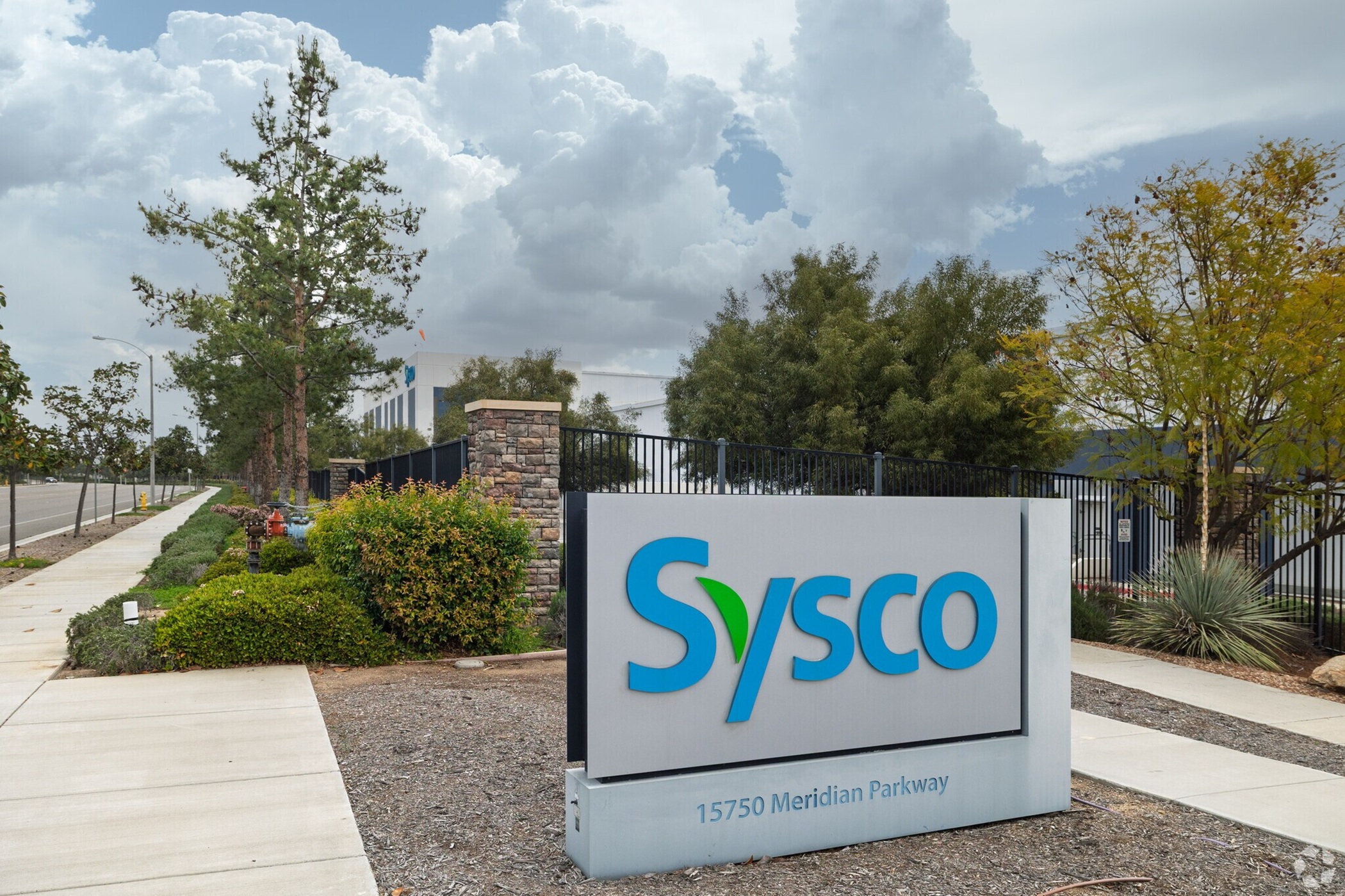

Sysco plans to grow Restaurant Depot's business and open at least 125 new stores over the next two decades, "bringing the industry leader in affordability to hundreds of new communities and creating thousands of new jobs," Hourican said.
Sysco plans to work with Restaurant Depot's "best-in-class" real estate team to identify the expansion markets for the new stores, a Sysco spokesperson told CoStar News in an email. Sysco declined to provide specific locations at this time.
Next chapter
Restaurant Depot was founded 50 years ago by Nathan Kirsh with one warehouse in Brooklyn, New York. Kirsh, who is now a 94-year-old billionaire, turned the company into a U.S. food empire.
Kirsh, whose real estate holdings include a London skyscraper called Tower 42, told a class at the London Business School in 2011, "We literally had no competition" of the warehouse retail business in which he has maintained a majority stake, according to the Wall Street Journal.

Kirsh's vision is expected to continue under Sysco's leadership, said Stanley Fleishman, executive chairman of Restaurant Depot.
"Sysco is the best possible partner for our next chapter because they share our growth mindset and bring the systems and national and international supply logistic capabilities to help us grow across the U.S. and beyond," said Fleishman, who will be joining Sysco's board, in a statement. "We are extremely excited to be able to offer our full range of low-cost, high-quality, dry and perishable foodservice products to more customers in more markets."
Sysco, which has dozens of competitors, has sought to expand into the retail sector of food service by opening its first two Sysco To Go stores in Houston last year. Rivals US Foods and Gordon Food Service have also been expanding into this growing sector of the business.
The stores help serve smaller businesses, such as food trucks, caterers and small restaurants, that do not meet the minimums to require Sysco truck delivery, eliminating one of the most expensive parts of the supply chain, a Sysco official previously told CoStar News. Customers must apply for a free membership to prove it is a small business.
"We look forward to increasing opportunities for our team, all while staying focused on supporting independent foodservice businesses and the families who run them," Fleishman added.
The deal is expected to finalize, subject to closing conditions, in the third quarter of Sysco's fiscal 2027. Upon closing, Restaurant Depot will operate as a standalone business segment within Sysco with its existing leadership team led by Richard Kirschner, who will report to Hourican.
In turn, Restaurant Depot will maintain its Whitestone, New York, headquarters to ensure continuity for its employees, clients and partners. Along with Fleishman, current Restaurant Depot director Sir Bradley Fried will join Sysco's board when the deal closes. The companies do not foresee any workforce reductions in the deal.
Sysco intends to issue 19.1% of its outstanding shares to Restaurant Depot once the deal closes. The global food distributor plans to pause its share repurchase program in a move to rapidly deleverage its business during the first 24 months following the acquisition, officials said.
Sysco's third-quarter fiscal 2026 results are expected on April 28.
For the record
Goldman Sachs and TD Securities are Sysco's financial advisers. Paul, Weiss, Rifkind, Wharton & Garrison served as legal counsel to Sysco. Jones Day served as regulatory counsel to the firm. Edelman Smithfield is Sysco's communications adviser.
Jetro Restaurant Depot's financial adviser was Evercore. Wachtell, Lipton, Rosen & Katz served as lead legal counsel. Macfarlanes provided U.K. legal counsel. J.P. Morgan Securities was the financial adviser to major shareholders of Jetro Restaurant Depot, including Leonard Green & Partners, who was legally advised by Latham & Watkins. The restaurant group's strategic communications adviser is Foxcroft Strategy Group.