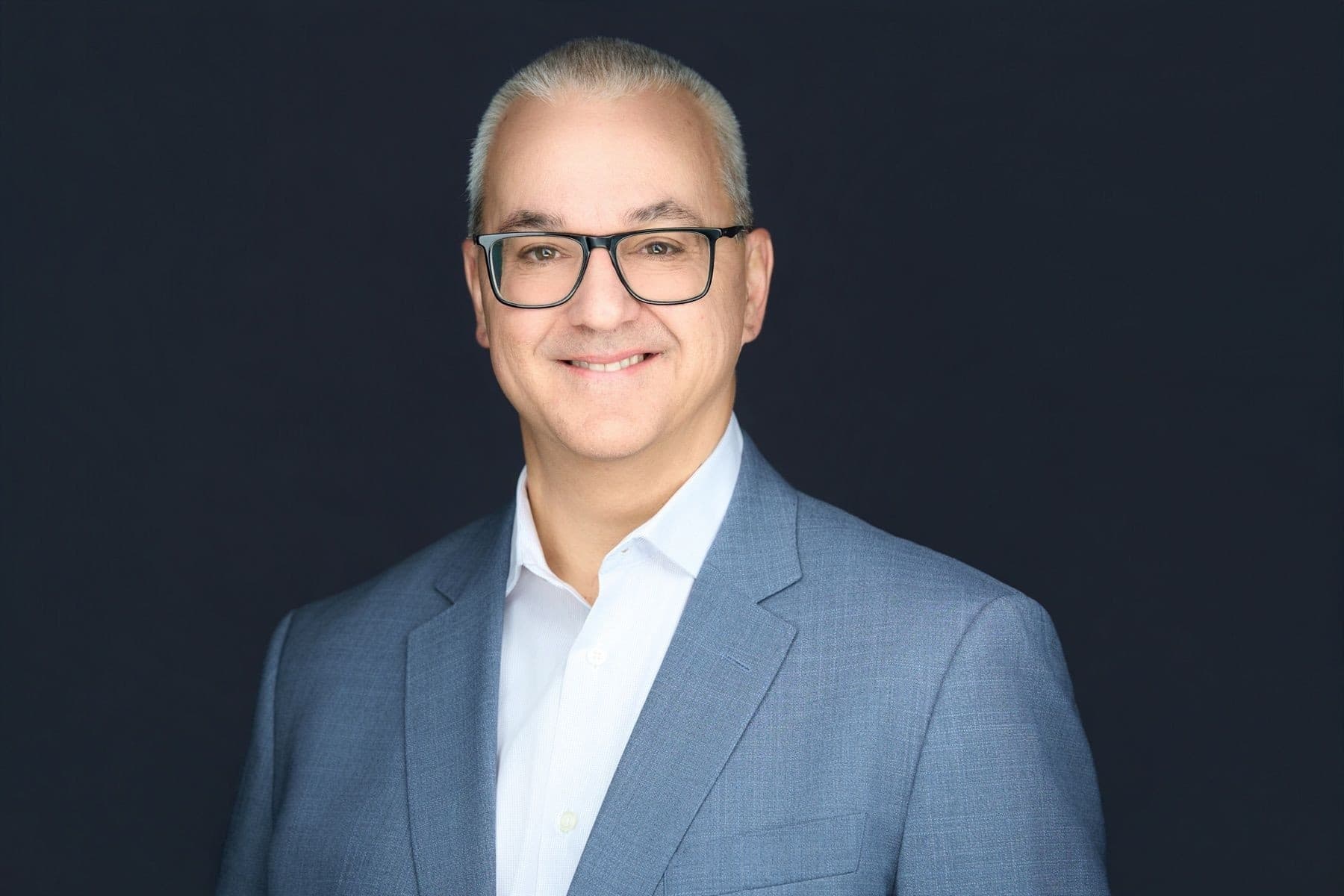
Mario LeFebvre
CoStar Analytics

Mario Lefebvre returned to the commercial real estate sector this past June when he was appointed Chief Economist for Canada at CoStar Group. Mario had previously worked in commercial real estate, first as President and Chief Executive Officer of the...
Mario Lefebvre returned to the commercial real estate sector this past June when he was appointed Chief Economist for Canada at CoStar Group. Mario had previously worked in commercial real estate, first as President and Chief Executive Officer of the Urban Development Institute of Québec in 2014 and 2015, and then as Vice-President, Research, at Ivanhoé Cambridge from 2016 to 2020.
Over the course of his career, Mr. Lefebvre completed two stints at the Bank of Canada. He began his career there in 1991 and worked in the Research Department and the International Department until 1997. He returned to the Bank of Canada from 2020 to 2024, this time as Regional Director at the Bank’s Québec Office.
Mario Lefebvre also spent 16 years at The Conference Board of Canada, from 1998 to 2013. He first worked on projects with the ministries of finance of Tunisia, Morocco, and Ukraine before becoming Director of the Conference Board’s Centre for Municipal Studies from 2002 to 2013. More recently, Mario Lefebvre was an Associate Consultant with the Québec-based firm Aviseo Conseil.
Mr. Lefebvre holds bachelor’s and master’s degrees in economics from the Université de Montréal. He is co-author of the book Power Play: The Business Economics of Pro Sports, published in March 2014. He is also co-author of the book Maximiser le potentiel économique du Québec: 13 réflexions, published in May 2016. Finally, Mr. Lefebvre has been a lecturer at the Université de Sherbrooke since 2023.
Over the course of his career, Mr. Lefebvre completed two stints at the Bank of Canada. He began his career there in 1991 and worked in the Research Department and the International Department until 1997. He returned to the Bank of Canada from 2020 to 2024, this time as Regional Director at the Bank’s Québec Office.
Mario Lefebvre also spent 16 years at The Conference Board of Canada, from 1998 to 2013. He first worked on projects with the ministries of finance of Tunisia, Morocco, and Ukraine before becoming Director of the Conference Board’s Centre for Municipal Studies from 2002 to 2013. More recently, Mario Lefebvre was an Associate Consultant with the Québec-based firm Aviseo Conseil.
Mr. Lefebvre holds bachelor’s and master’s degrees in economics from the Université de Montréal. He is co-author of the book Power Play: The Business Economics of Pro Sports, published in March 2014. He is also co-author of the book Maximiser le potentiel économique du Québec: 13 réflexions, published in May 2016. Finally, Mr. Lefebvre has been a lecturer at the Université de Sherbrooke since 2023.
Mario LeFebvre's Latest Articles
 August 31, 2026
 August 26, 2026
 July 15, 2026


