
The 2026 FIFA World Cup is now mere weeks away. It's almost time to block out all of the noise and let the play on the pitch — or performance at hotels — do the talking.
On the latest CoStar News Hotels podcast, Didio Pequeno, director of hospitality market analytics, Northeast and Midwestern U.S. for CoStar Group, said opinions from hoteliers vary, but he believes the overall impact of the World Cup will stray away from hyperbole.
"Once the World Cup was announced in the U.S., it was kind of like everyone thought, as we said, like the World Cup was going to be 104 Super Bowls. Those are always very lofty expectations," he said. "Now the sentiment has ... gone a little bit pessimistic, and we're hearing people say that the World Cup is going to underwhelm. Of course, I think actual performance is going to meet somewhere in the middle."
A lot of the discussion surrounding hotel performance for the tournament has focused on occupancy projecting to come in lower than numbers from last year in some of the host markets, Pequeno said. But that ignores the stark increases in average daily rate, which should make up for — and partially explain — the dips in occupancy.
"When I talk to people, whether that be general managers or revenue managers around the country, I'm getting a lot of mixed signals, but I think the prevailing thought is that yes, the World Cup will still boost performance through the summer," he said. "Performance is going to vary market by market, some will perform better than others, of course, but it's not really about demand, it's more so about markets being able to drive rate."
Among the hotel markets projected to perform well include Philadelphia, Vancouver, Dallas and New York City, he said.
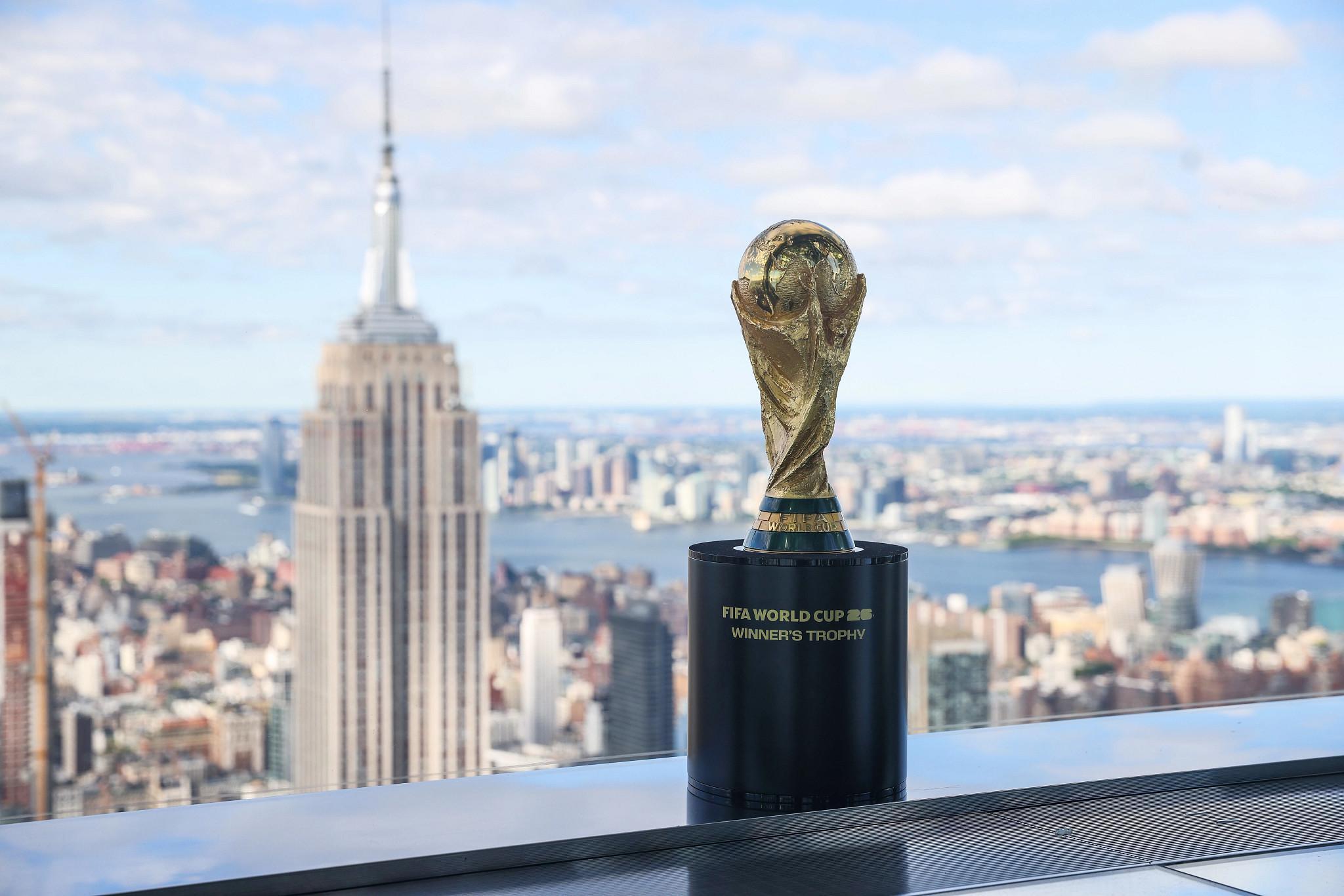

One of the prevailing camps of thought in the hospitality industry is that hotel performance may underwhelm throughout the group stage of the tournament but shine in the knockout stage. Of the 104 total World Cup matches, 32 of those will be in the elimination rounds, which begin on June 28.
Analyzing the split between the group and knockout rounds is "the right idea," Pequeno said.
"As we get into the knockout stages ... when you think about those larger teams like Spain, Argentina, England, France that have these massive fan bases, if they advance into the knockout stages and really go far, then we're going to see a lot of travelers spending more money on hotels and travel, and that will benefit World Cup performance and hotel performance in general," he said.
To hear more from CoStar Group's Didio Pequeno, listen to the podcast embedded above.