
A deal involving a live events company founded by a Hollywood talent executive planning to buy one of the world’s largest theater portfolios marks the latest sign of evolution for live entertainment, as investors pour billions into experiences audiences can’t stream at home.
Beverly Hills, California-based Mari, a global events and experiences company founded by Ari Emanuel and backed by more than $2 billion in equity from investors including Apollo Management, RedBird Capital Partners and the Qatar Investment Authority, agreed to acquire ATG Entertainment, the owner and operator of 70 theaters across the U.S., U.K., Germany and Spain.
The agreement, valued in some reports at $6 billion including debt, would add Broadway and West End stages to a Mari portfolio already spanning professional tennis tournaments, art fairs, automotive auctions, holiday attractions and ticketing.
The acquisition comes as entertainment companies, developers and institutional investors increasingly follow consumers away from their couches and into physical venues. That push is showing up in multibillion-dollar entertainment districts, new amphitheaters, investments in immersive technology and the restoration of historic theaters.

If completed, the deal would give Mari control of stages where witches fly above Broadway crowds, lions parade through West End aisles, and regional theaters draw audiences night after night, adding a major collection of physical venues to a business already built around sports, art and other live experiences.
“This is a long-term bet on where live goes next,” Emanuel said in a statement. “I’ve spent my whole career in entertainment, and I started out in theater. I’ve seen the industry reinvent itself many times, but live has only grown more powerful. Nothing connects great talent with audiences more directly.”
Mari is hardly alone in making that bet. Live Nation Entertainment, the world’s largest concert promoter, is adding arenas, stadiums and amphitheaters around the world, while Sony Pictures Entertainment is expanding beyond movies to invest in theaters — from historic cinemas to immersive domed venues underway across the country.
The rush into live entertainment also means more competition for consumers’ finite time and money, as theater operators also face high production and labor costs.
Theater portfolio expands
The latest transaction encompasses everything from regional playhouses to some of the most recognizable marquees in theater, including seven Broadway houses such as the Lyric Theatre and 10 venues in London’s West End, including the Picadilly Theatre.
Among them are stages hosting productions including “Harry Potter and the Cursed Child,” “Wicked” and “The Lion King,” with some properties dating to the 19th century and controlled through long-term leases.

ATG has spent the past decade transforming from a predominantly British theater operator into an international company spanning venue operations, productions and ticketing.
Providence Equity Partners acquired control of ATG in 2013 and expanded its portfolio from roughly 40 venues to 70, while Mari has said it plans to preserve and modernize the theaters and keep ATG’s brand and leadership in place.
Emanuel founded Mari in 2025 after spending decades building talent agency WME Group into a sprawling entertainment company. Since then, the company has assembled assets including the Miami Open and Madrid Open tennis tournaments, Frieze art fairs, Barrett-Jackson collector-car auctions, London’s Hyde Park Winter Wonderland and ticketing platform TodayTix Group.
Broadway’s latest season shows part of the attraction. Productions generated a record $1.91 billion in grosses during the 2025-2026 season, up 1% from the prior season, even as attendance slipped 0.6% to roughly 14.6 million; audiences still filled 90.8% of available seats, according to the Broadway League.
Meanwhile London’s West End sold a record 17.64 million tickets in 2025, up 3.2% year over year, while box office revenue climbed 4.1% to a record £1.084 billion — about 1.46 billion U.S. dollars — according to the Society of London Theatre.
Capital chases experiences
Developers are simultaneously building entertainment into larger mixed-use districts. In Anaheim, California, developers behind OCVibe are transforming roughly 100 acres surrounding the Honda Center into a $4 billion district planned around live music and entertainment venues.
In Hollywood, Sony Pictures Entertainment plans to restore and reopen the Cinerama Dome and adjoining 14-screen former ArcLight complex, with renovations beginning this year and continuing into early 2028. The Sony-owned Alamo Drafthouse will operate the properties with premium formats, repertory screenings, premieres and special events designed to make moviegoing more of a destination.
Sony is also putting $100 million into Cosm, whose dome-shaped venues use massive wraparound displays to immerse audiences in live sports, concerts and other programming. The investment gives Sony a minority stake in an operator with venues in Los Angeles, Dallas and Atlanta and more locations planned, extending the studio’s strategy from producing entertainment into creating places where audiences experience it.
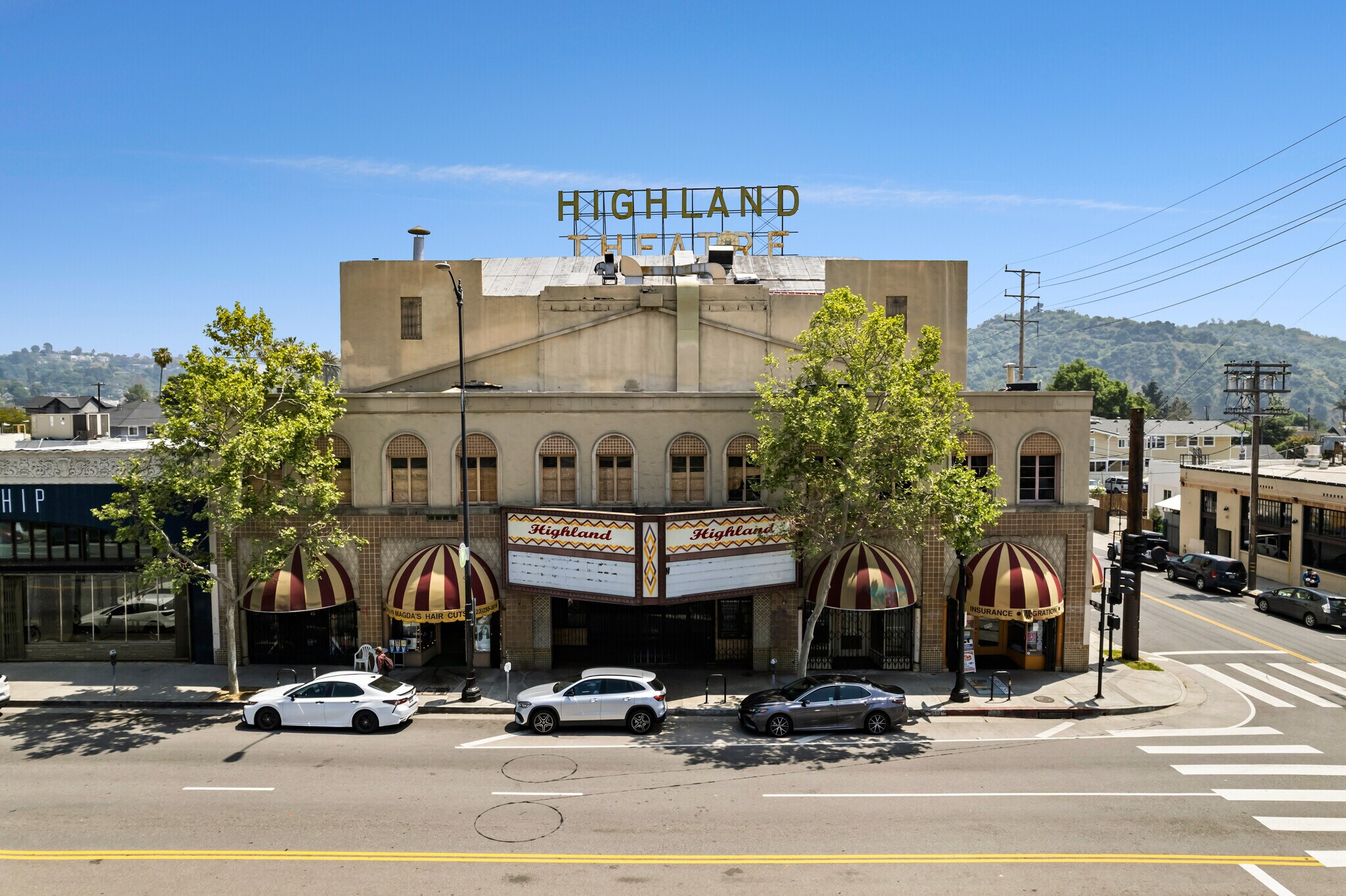

Even century-old venues are attracting buyers willing to bet on their continued relevance. Insomniac Entertainment bought Hollywood’s 1927 Avalon Theatre for $15.75 million last year with plans to continue operating the landmark as an entertainment venue, while a Laemmle family-led investor group paid $6.5 million this year to reacquire the theater-anchored NoHo 7 property in North Hollywood.
For Emanuel, ATG would add something his growing collection of tournaments, fairs and attractions has largely lacked: dozens of permanent stages.