
As one of Saudi Arabia's giga-projects nears its first phase of openings, its head developer says they hope it will be a source of pride for the country's citizens.
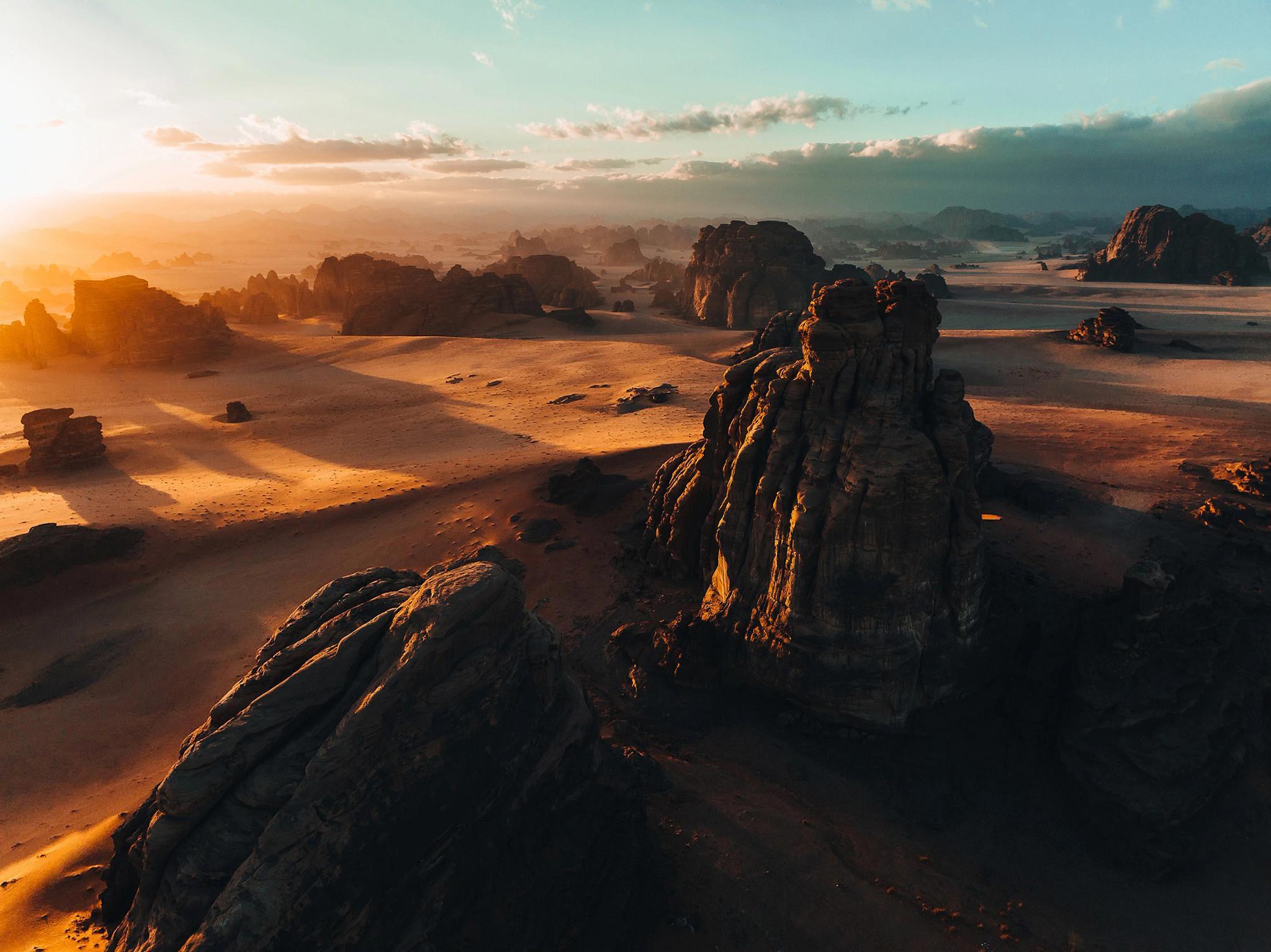
Amaala is a multibillion-dollar project spanning more than 2,600 miles on the western Saudi Arabian coast about 435 miles north of Jeddah. It is owned by Red Sea Global, a division of Saudi sovereign wealth fund Public Investment Group, and its onus is on wellness and regeneration, helped by the project being entirely operated with renewable energy sources.
The Red Sea Project is another RSG development.
Melisa Pezuk, Amaala’s head of development, and a former vice president of development at the Dubai International Finance Center, said when completed the giga-project will have approximately 4,000 hotel rooms and 1,200 residences.
“One goal is to make Saudis proud of what the country’s tourism industry offers,” she said.
The first phase of Amaala will open in early 2026 and see the opening of nine resorts with a combined 1,267 rooms — the 74-room Clinique La Prairie Health Resort, Amaala; 100-room Six Senses, Amaala; 110-room Nammos Resort, Amaala; 110-room Rosewood, Amaala; 128-room Equinox Resort, Amaala; 153-room Jayasom Wellness Resort, Amaala; 202-room Four Seasons, Amaala; and 390-room Ritz-Carlton, Amaala.
Pezuk joined Amaala in May 2020, and she has worked on the project’s master plans, designs and construction.
Highlights have been creating partnerships with the scientific research organization Corallium Marine Life Institute — which among other initiatives is busy creating new coral beds in the Red Sea — and the Amaala Yacht Club in cooperation with Monaco Marina Management.
Pezuk said Amaala’s Triple Bay master plan to date has been awarded contracts valued at 28.9 billion Saudi riyals ($7.7 billion).
Other partnerships include working with the Sakan Association for Family Development and the Green Umluj Association, whose aim is to integrate local suppliers into the supply chain of both Amaala and the RSG.
Amaala has promised to deliver 30% net conservation and to operate with a zero-carbon footprint once fully operational by 2040, Pezuk said.
Also crucial is that locals will be the source of most of the 20,000 total jobs that the project will create.
Amaala is on a scale that will come with challenges, as will they also occur for Saudi Arabia’s other mega-projects, she said.
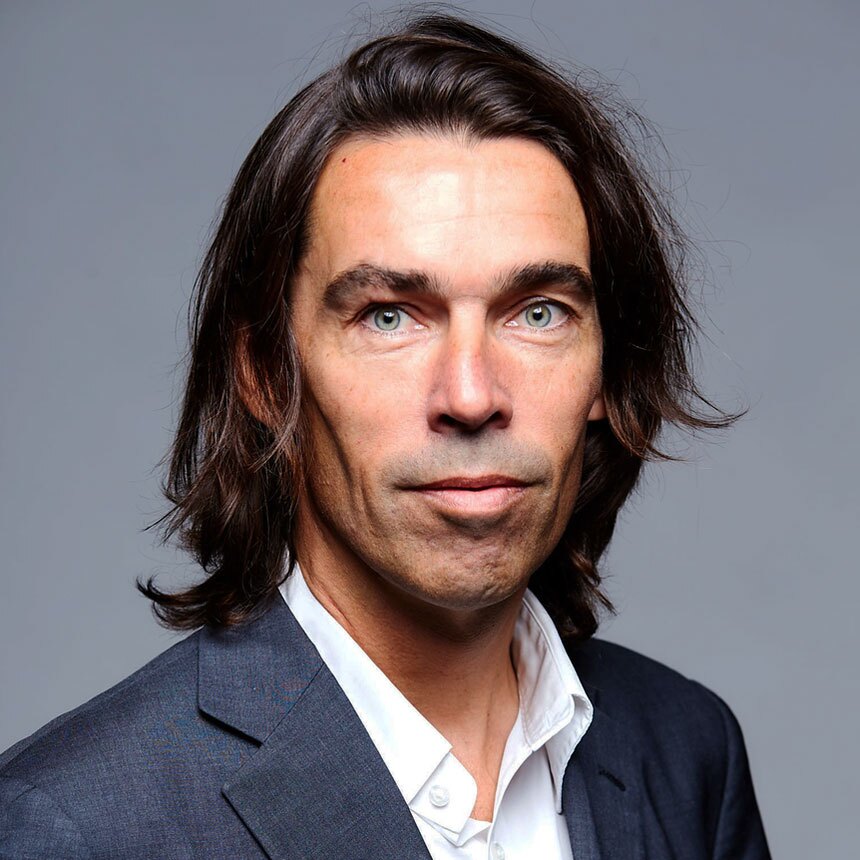
“Every development at such an ambitious scale has hiccups. I have been in development for 25 years. RSG is achieving its targets, and phase 2 and phase 3 by 2031 will result in more than 3,800 rooms, plus 2,000-plus branded residences in three different locations,” she said.
There is the requirement for a large amount of infrastructure.
“The staff village is world class," she said. "Staff retention is the success of this destination. We are 30 minutes from the nearest small town, 90 minutes from the nearest larger town, and we are working very closely with universities. One-thousand graduates are working with us now, and there will be more.
“Amaala also has its own sporting facilities, shopping, retail and cultural attractions. Soon a hospital will open, and a Spanish school operator is opening a school here next year.”
Oil wells to wellness
Based on Saudi traditions and a culture of retreat and hospitality, Pezuk said Amaala’s offerings will be differentiated but always with an onus on wellness.
“For example, the Four Seasons will have a spa, as most of its hotels do, but it is far larger than is normal,” she said. “We have a sense of place and a context that is rooted in Saudi culture, but we will also have the latest trends. It is an integrated resort destination, not just about staying in your hotel."
Pezuk said two initiatives are to bring Mediterranean-style yachting to Saudi Arabia, as well as to have diving, water sports and walking experiences, and to provide the country’s first 12-month destination.
“It will be a place to come back to. It is incredibly beautiful, and we will be the only year-round destination. In August, the humidity is less here. We sit on three bays, have mountains behind us and a unique coastal location. From one end of the resort to the other is approximately a 15-minute drive," she said.
Pezuk said wellness goes hand in hand with environmental, social and governance initiatives.
“It is in the manner of building in an environmentally responsible way, the design we selected, how we construct, all to have the least impact on the environment. If we can use precast construction, we will, although it can be more expensive. It is about making sure we do the right thing,” she said.
Soon it will be time for hotel guests to arrive, Pezuk said, a “tailored mix of international, Gulf Cooperation Council and domestic clientele.”
She said that while the first phase is aimed at luxury hotel demand, the next phases will see midscale product be incorporated.
“We need diversity within the offer, to create a true ecosystem,” she said. “Saudis already travel the world. They understand luxury, what the world offers, so we need to make sure we offer something here to make them proud."
She believes the end results will be one of a kind.
“Amaala is very interesting," Pezuk said. "We are creating a destination within six years, opening a world-class destination … a regenerative tourism destination, giving an offer to the world so that they can experience Saudi on another level of offering.”