
Federal Reserve policymakers raised interest rates for the first time since 2023 in an effort to tamp down inflation and signaled another increase could be on the way.
The decision lifted the benchmark rate by a quarter-percentage point to 3.75% to 4%, extending a period of elevated borrowing costs. The vote was unanimous, suggesting a broad agreement among policymakers that inflation remains a top concern.
"Today's action starts to show we are serious about this," Kevin Warsh, Federal Reserve chairman said at a press conference Wednesday.
'Today's action starts to show we are serious about this.'
Alongside its rate decision, the Fed released its latest summary of economic projections, which includes forecasts from 18 Fed officials on interest rates, though one policymaker did not provide projections for 2028 and 2029.
Four officials expect two additional rate increases, 12 policymakers see rates going up once more before the end of the year, and the remaining two see rates to hold at their new range of 3.75% to 4%.
"We removed a dose of accommodation so that financial and credit conditions would be more consistent with our ultimate objectives," Warsh said. "That was the decision. That was our judgment. And we'll continue to evaluate that prospectively."
The case of higher rates
Recent economic data reinforced the case for higher rates. Consumer prices rose 3.4% in August from a year earlier as energy costs climbed amid the conflict in the Middle East. Other data pointed to job growth accelerating in August and the unemployment rate holding steady, reflecting that the labor market is powering through the uncertainty from the Iran war.
“We don’t need to do harm to the job market to achieve our objective," Warsh said.
Consumers have continued to spend as well. Fresh data from the Census Bureau showed retail sales rose by the most in five months, a sign consumers are willing to spend despite higher gasoline prices.
“I was not waiting breathlessly on any particular data,” Warsh said, adding that he is focused on broader economic trends rather than any single data release.
The last time the Fed increased its benchmark lending rate was in July of 2023 when it raised it by a quarter percentage point to the range of 5.25 to 5.5%.
Persistent inflation concerns are prompting central banks to keep policy tight. The European Central Bank hiked its interest rate by 25 basis points to 2.5% last week, noting that "the conflict in the Middle East continues to generate inflation pressures, and inflation is set to remain well above target for an extended period.” The move marked the second rate hike this year.
President Donald Trump responded within hours that the Fed should have cut interest rates to 1% or lower.
Higher for longer capital environment
"The decision came as no surprise, with inflation running above target for five years and recent data not supportive of a trend lower," Christine Cooper, chief U.S. economist at CoStar, said after the press conference.
Inflation remains a challenge for the commercial real estate industry as it continues to live in an elevated cost of capital environment. That stubbornly high inflation is due in part to tariffs — with new import action taking place earlier this month with Canada — and government spending, Fed watchers shared.
Energy prices driven by the conflict in the Middle East have also contributed, they noted. This week on social media, however, President Donald Trump blamed global diesel prices on the war between Russia and Ukraine, not Iran. As of Wednesday, the national average gas price in the United States was $4.3672 per gallon, according to the American Automobile Association.
While the one quarter percentage point increase on Wednesday did not come as a surprise to real estate experts, and may not majorly impact pricing for all, it does lead the industry to plan for possible further rate increases. David Kelly, J.P. Morgan Asset Management's chief global strategist, said he still expects inflation to cool entering 2027 and that the Fed could avoid a policy move in late October while raising rates just once more or not at all in December.
“The impact of the recent rate increase will likely tame enthusiasm for any marginal development projects and could elevate capitalization rates,” Noel Liston, a managing broker with Chicago’s Core Industrial Realty, said. “However, the rate increase reinforces the Fed’s commitment to tame inflation and longer-term bond yields may not increase much if the market believes the pain of higher rates will be shorter in nature.”
The current level of interest rates and vacancy rates continue to make property values and loan refinancing challenging, a report released Wednesday by The Building Owners and Managers Association International found.
Muted impact to data center development
"We care very much about what’s happening in artificial intelligence," Warsh said. "We care much about the implications on the demand side of the economy and ultimately on the supply side of the economy."
The Fed’s rate hike may not have as dramatic an impact on data center development as that of other commercial real estate sectors.
Ed Del Beccaro, executive vice president with San Francisco’s TRI Commercial/CORFAC International, said the quarter-point rate increase compounds the commercial real estate industry’s problems in the traditional sectors of office, retail and multifamily as they can expect to see higher loan interest rates along with increased construction costs that lead to a possible slowdown.
“Investment in AI data centers will not be affected, however, [as] there is plenty of IPO and other funds available for investment,” he said.
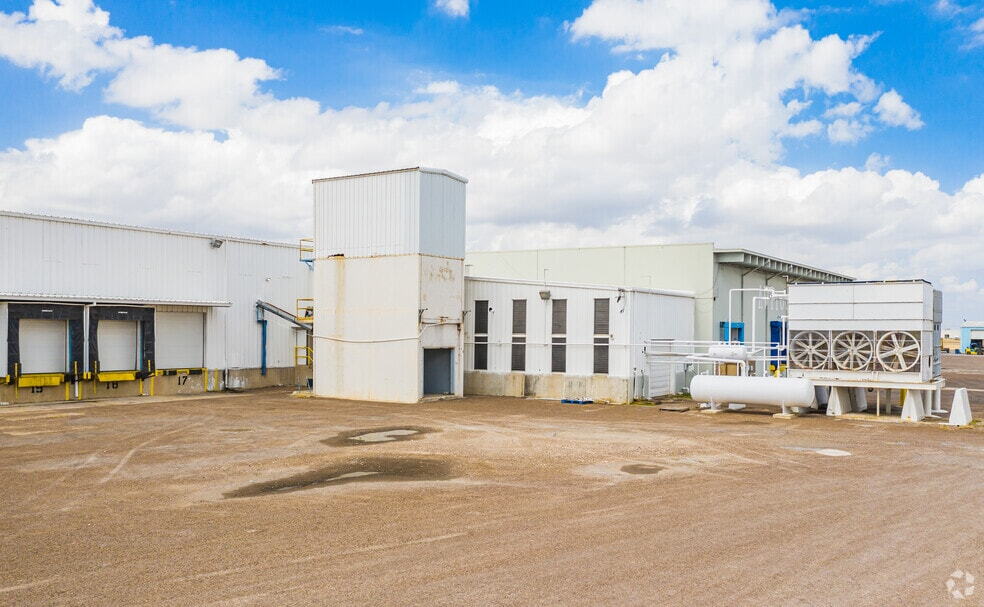

A report by the Fed released earlier this month stated overall national economic activity has increased modestly since July. Nonresidential construction increased, it said, with some areas noting a high concentration of activity related to data center projects.
In fact, demand for U.S. industrial real estate is on track to accelerate through the remainder of 2026, according to a forecast from the Commercial Real Estate Development Association Research Foundation released this month. Resilient consumer spending, continued e-commerce growth and rising data center capital expenditures are the main drivers of demand, offsetting elevated interest rates and inflation, the report found.
“Despite ongoing global volatility, we are encouraged by the continued strength of capital markets activity, especially in alternative assets — specifically, data centers, manufacturing and critical infrastructure activity,” Harry Klaff, principal and U.S. president at brokerage Avison Young, told CoStar News via email.
Mortgage rates resume their climb
Higher mortgage rates are taking a toll on housing.
The 30-year fixed rate rose 12 basis points to 6.97% in the week ending Sept. 11, according to Mortgage Bankers Association data released Wednesday, reaching the highest level since May 2025.
Rates were at their lowest level since 2022 in February, before the war with Iran broke out. Since then, they have moved higher, partially because elevated energy prices have added to inflation concerns.
Those elevated borrowing costs have weighed on the demand for loans. The Mortgage Bankers Association's purchase index, a measure of mortgage applications, fell 1% from the previous week, accounting for the Labor Day holiday. The group's refinance index dropped 8.8% to its lowest level since May 2025.
The Fed's decision doesn't directly determine mortgage rates but it could influence the bond market. Mortgage rates track closely with the 10-year Treasury yield, which crossed 5% this week and hit a nearly two-decade high.
Still, some economists said the rate increases could ultimately help bring mortgage rates down if it convinces investors the Fed is serious about containing inflation.
"This could be one of those situations in which the Fed, by raising its policy rate, could actually cause mortgage rates to go down," said Brad Case, chief residential economist at Homes.com. "Mortgage lenders demand higher interest rates if they are concerned that high inflation could eat away the value of the interest payments. Today's action may reassure lenders that the Fed isn't going to let that happen."
Case said the unanimous vote and policymakers' outlook could reassure lenders that inflation will eventually come under control.