
The diplomatic tension between Ottawa and Washington appears to be benefiting hotel owners as more Canadians who may have planned to vacation in the U.S. are instead choosing domestic destinations for their vacations, increasing demand for hotel rooms across the country.
In August 2025, revenue per available room, or RevPAR, a key hotel performance metric, reached a record high at hotels in Canada, jumping above the $200 mark for the first time, according to a CoStar report. Nationally, RevPAR reached $202.01, a 7.7 % increase over the same month last year. Another hotel performance metric, average daily rate, or ADR, climbed to $250.18, up 6.1% from a year ago.
Moreover, Canada's hotel occupancy rate increased 1.5% year-over-year, to a rate of 80.7% in August, according to CoStar. That's the highest national hotel occupancy rate since August 2014.
The numbers reflect the trend of Canadians opting to spend their vacations visiting domestic attractions that emerged this year as the administration of U.S. President Donald Trump imposed tariffs on some goods. Tensions with the U.S. also were exacerbated by Trump openly discussing the idea of annexing Canada, although the idea proved to be more political rhetoric than an actual expansion strategy.


That pattern has also had a notable impact on the U.S. hospitality industry, where hotel owners have hosted fewer guests partially due to a 20% decline in bookings from Canadian residents, according to a report this year by airline analytics firm Cirium.
The travel trend is expected to continue to have a negative impact on the bottom line of U.S. hotel owners, according to one analyst.
"We're anticipating a sustained setback as we go through the administration's policies," Aran Ryan of Tourism Economics recently told a hospitality conference in Nashville, Tennessee. For example, the Tampa, Florida, region is expected to see an 11% decline in room demand from international travelers, according to the group.
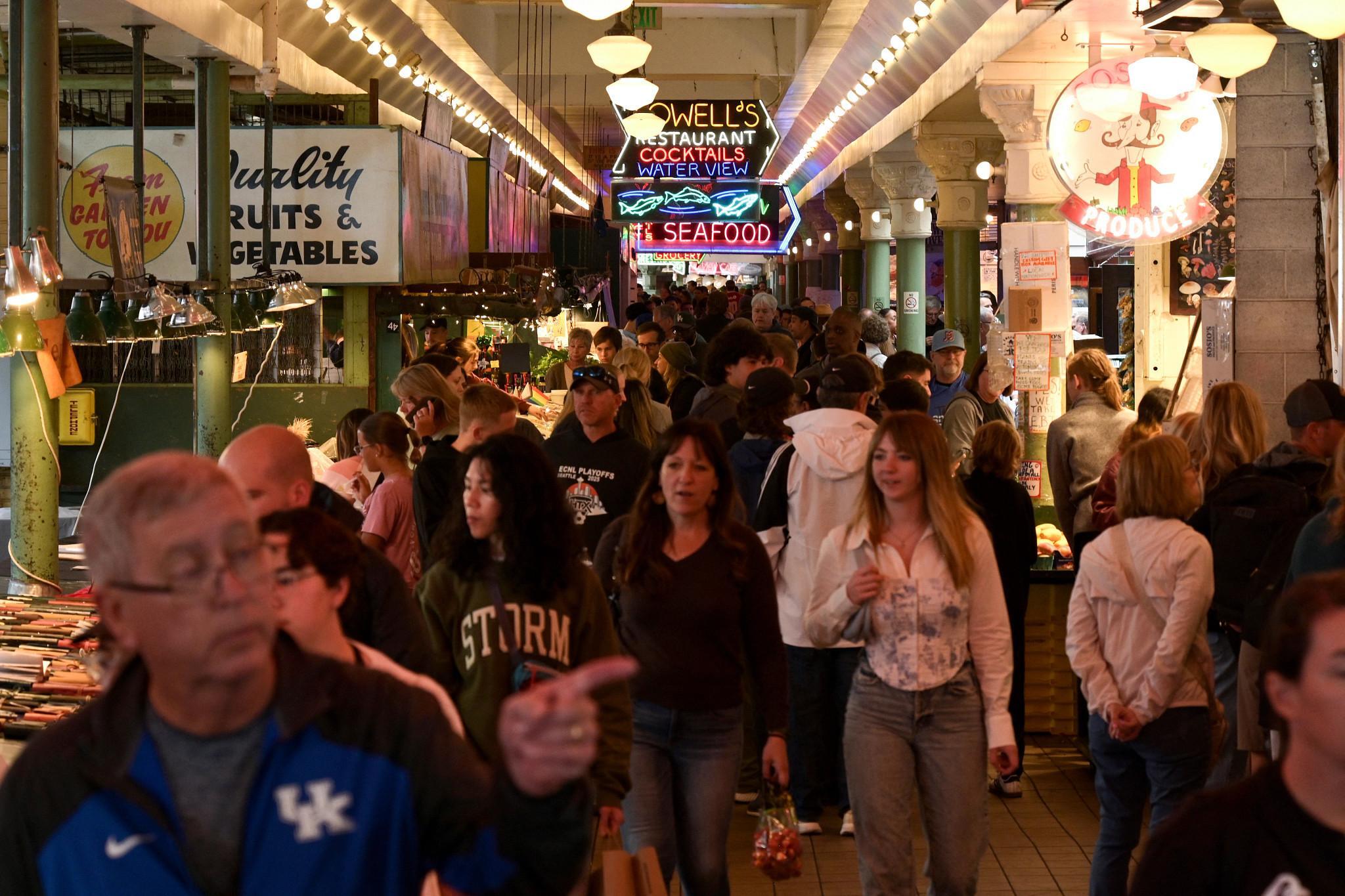

In Canada, hotels in British Columbia reported a year-over-year rise in occupancy of 6% in August, the largest average increase in the country, according to CoStar. That increased BC's overall hotel occupancy rate to 87.2% in August, the data shows. The Newfoundland and Labrador market posted the strongest year-over-year gains in ADR and RevPAR in August, with ADR up 17.4%, to $243.50 and RevPAR up 18.6 %, to $210.42. The strong performance there followed a challenging period prior to the trade conflict.
As for occupancy, Vancouver led Canadian cities with a rate of 91.9% in August, according to CoStar. That was a 4.6% increase year-over-year. RevPAR in the market climbed 12% in August, to $340.08. Toronto's hotel industry got a boost in late August from a concert by the popular rock group Oasis. Toronto recorded the biggest increase in year-over-year ADR among major markets in August. Toronto's average daily rate increased 8.1%, to $281.46, in August, according to CoStar.