NEW YORK — The hotel industry had a rough time in 2025, but the strong turnaround in performance at the start of this year shows that no matter what is going on in the world, hospitality and travel always come back stronger, Peregrine Hospitality's CEO said.
In a video interview at the NYU International Hospitality Investment Forum, Greg Kennealey, chief executive of the management firm, said the hotel industry for a while has been wavering between pessimism and cautious optimism, so it’s great to see performance so far this year exceeding expectations. Peregrine’s resort properties and luxury hotels, such as its Silverado Resort in Napa Valley or the Fairmont Grand Del Mar in San Diego, have done particularly well.
Hotels in the lower segments have had some challenges, and even while Peregrine has properties in the premium select-service space, the performance has not been as robust, he said.

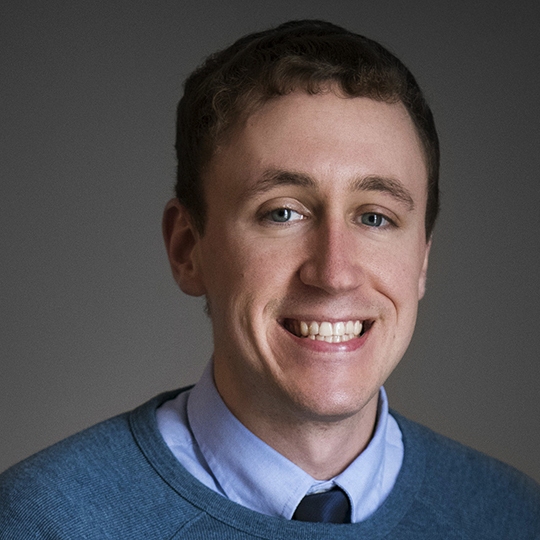
“However, in our industry, you can never predict the future very effectively for very long,” he said. “If it’s not one thing, it’s another, and so we focus all of our time and energy on controlling the things we can control, recognizing that macroeconomic issues are something we have to be agile to respond to.”
Every time there’s a terrible event that causes a downturn in the industry, there are people who predict the end of travel, Kennealey said.
“Then every time, our industry proves that wrong,” he said.
At the moment, the affluent travelers continue to prioritize travel and leisure time with their friends and family, Kennealey said. Group is coming back stronger than expected, and corporate transient is holding in there.
The prioritization of experiential travel is the continuation of an existing trend, but it has been evolving, he said. With the exception of certain markets, people have moved toward informal luxury, meaning it’s still luxurious but with a more relaxed feel to it.
“Like I don't want to put on the proverbial coat and tie to go to dinner, so they want to be relaxed and casual but still have a very elevated experience, which is defined first and foremost by level of service, and then, of course, by sort of the caliber of the amenities and the breadth of offerings,” he said.
Decision-fatigue has been interesting to watch, he said. Years ago, the conference themes were all around personalization and offering guests an entirely different set of options. Guests are showing they would prefer something more prescriptive. Instead of saying here are 20 options to pick among, they want an informed level of service that may fit their wants and goes a step further.
The Peregrine team
In a separate interview, CoStar News Hotels met with Kennealey and two of his newest executive team members: Heather Stege, chief operating officer; and Mike Wilbert, senior managing director and head of acquisitions.
Peregrine’s hotel pipeline is more robust than it has been over the past few years, Kennealey said. While he couldn’t share specifics about individual deals, Kennealey said he would be disappointed if the company didn’t add at least two or three properties in the second half of 2026.
At each industry conference, it’s become a perpetual refrain that transaction volume will go up in the next six months, he said. Now, however, there are some systemic reasons that make that more unlikely.
There are a lot of institutional owners who have held on to hotels for longer than their typical hold periods, Kennealey said.
“At a certain point, they need to monetize,” he said.
There’s also a wall of debt recapitalization coming, he said. Hotels need reinvestment with additional capital dollars, and some owners may not have the appetite or balance sheet to do it. The opportunities that Peregrine has reviewed this year have been encouraging.
Another factor helping move hotel transactions along is the narrowing of the bid-ask gap, Wilbert said. Buyers and sellers are starting to coalesce around a middle ground. Where the spread was previously about 20% apart, it’s closer to 10% and some groups are stretching to get to 5%.
“Sellers are probably moving more toward the middle than buyers,” Wilbert said.
The amount of available capital to buy hotels, however, can lift the value of a deal from distress level to a slight discount, he added.
As it looks to grow its portfolio, Peregrine is looking at properties where it can make operational improvements, Kennealey said. In some cases, it’s a transformational project while in others it can be a soft goods or hard goods room renovation.
“We’re typically putting additional capital into all of our assets,” he said.
From an operations standpoint, Peregrine has seen success this year finding people for its properties from the top down, Stege said. These had previously been pain points in different areas or regions.
“We’ve been very fortunate, but a big part of that is how focused we are getting the right [general manager] in each hotel,” she said. “That really creates that culture and that family. We’ve actually had a lot of success coast to coast.”
Who the company selects as teammates is one of the most important decisions that Peregrine makes, Kennealey said.
“We believe very strongly that the only sustainable, long-term competitive advantage in hospitality is the caliber of the people that you put into each of your properties,” he said.
To help with some labor issues, Peregrine has introduced some artificial intelligence to its operations, Stege said. In its call centers for its large properties, its AI can handle 4,000 calls. Since introducing this function, customer satisfaction has increased almost 20% through engagement with guests and giving them the solutions they want faster.
The AI call center platform is monitored by Peregrine employees, but it’s able to address more questions faster and provide the customer service needed, she said.
Peregrine is taking a careful approach to how it introduces and uses AI, particularly when it comes to anything guest-facing, Kennealey said. There’s no shortage of areas where AI could potentially fit, but as a new company with a newer team and so much to focus on, it won’t be bleeding edge.
For more from Peregrine's Greg Kennealey, watch the video embedded above or listen to the podcast below.