
Years of financial reports and other public filings painted a picture of Sonder Holdings’ cash flow and profitability problems.
So why did Marriott International in August 2024 sign a 20-year license agreement with a company clearly experiencing financial challenges? The agreement allowed Sonder to list its apartment and hotel units on Marriott’s various Bonvoy booking platforms and gave Sonder $15 million in key money for milestones met. A little more than a year later, Sonder abruptly ceased operations, leaving guests in the lurch and Marriott holding the bag.
Of course, hindsight is 20/20, and anyone can be a Monday-morning quarterback, but there were warning signs, analysts said.
When reached for comment, Marriott shared that when signing the deal, the global hotel company was happy to have the opportunity to add Sonder's units to its booking channels for guests. It did its due diligence, including running through multiple scenarios. It also took into consideration the impact of Sonder’s capital restructuring in 2024; the $146 million in additional liquidity from that restructuring was a condition of Marriott’s agreement with Sonder.
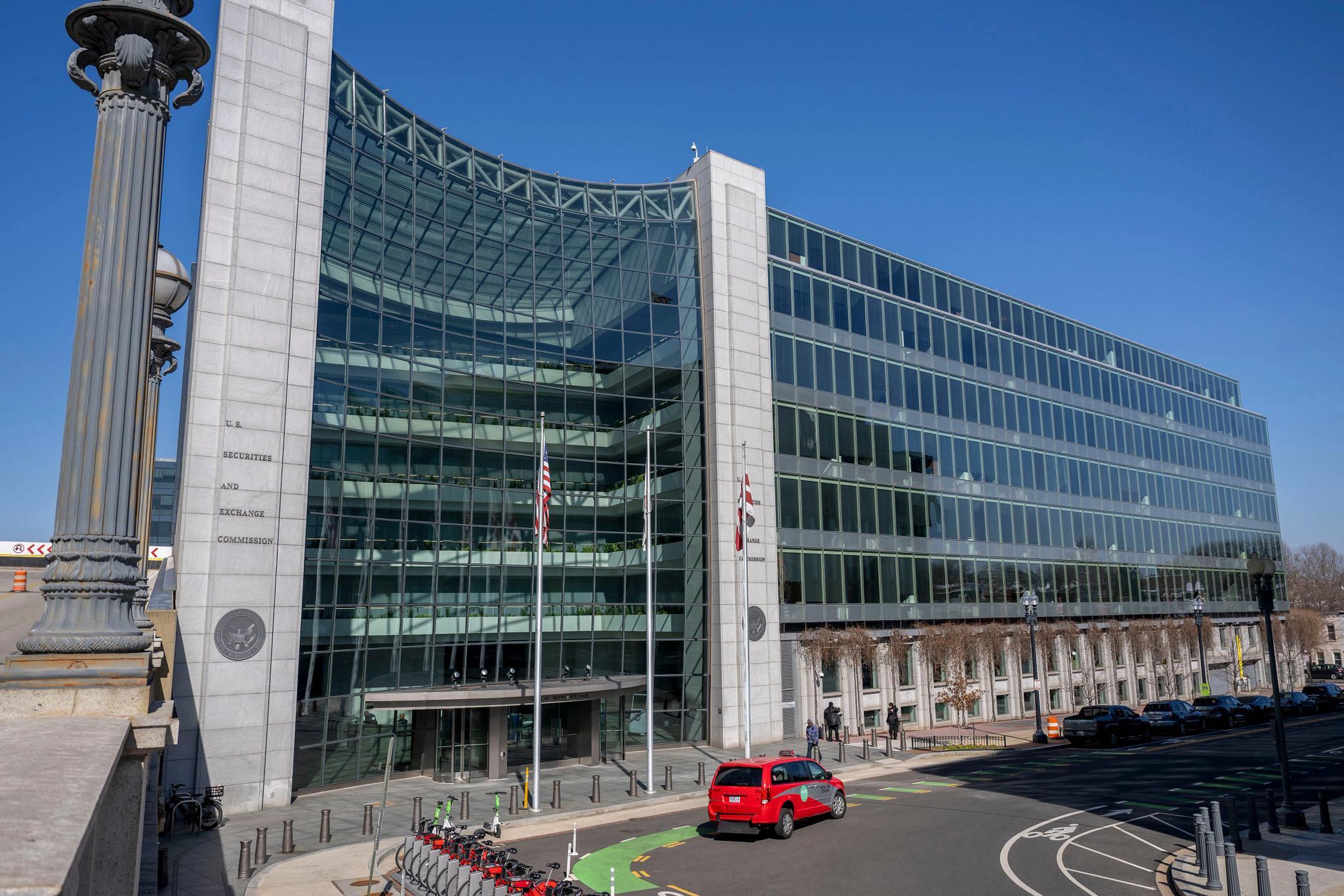


A company that is experiencing repeated net losses each quarter, missing U.S. Securities and Exchange commission filing deadlines and having to rework annual reports because of admitted accounting errors are indications of a company struggling with its internal controls and accounting systems, said Jim Butler, a founding partner at Jeffer Mangels Butler & Mitchell and founder and chairman of its Global Hospitality Group.
“There could be a number of explanations for it, but it is often a sign of trouble when you don't have financial control over your company,” he said. “It should be a major warning signal.”
At the end of the day, hotel industry analysts said the fallout from Sonder’s closing shop and bankruptcy won’t have lasting effects on Marriott financially or even reputationally.
“It's unfortunate for Marriott,” said Michael Bellisario, senior research analyst at Baird Capital. “It's a short-term blip, not a big financial impact. And plus or minus 90 days from now, even probably even less than that, we probably won't be talking much about it from a stock and financial and earnings perspective.”
There’s a public relations and headline risk, but Marriott will continue to move forward and find other partners and grow, he said. There’s a short-term hit to the stock, but people realize it’s a blip and not a thesis-changing event.
“This is not a structural problem or challenge of Marriott’s,” he said. “This is a Sonder-specific issue, and people are looking at it and looking forward.”
The first trading day after Marriott announced Nov. 9, a Sunday, it was terminating its agreement with Sonder, Marriott's stock closed that $290.47, down slightly from $291.16 on Nov. 7. As of press time, Marriott's stock is trading at $307.87 per share.
Must-hit growth targets
That Sonder would file for bankruptcy wasn’t that big of a surprise, Bellisario said. It had roughly $1 billion in lease-related expenses, negative free cash flow and the stock was trading at about $1 per share when the Marriott license agreement was announced. Though the stock price went up after the announcement, performance was poor since then. Sonder also wasn’t paying Marriott its fees as outlined in the agreement and instead restructured that into debt owed to Marriott.
Even so, it’s likely Marriott saw an opportunity to open up new offerings for its guests not already available through Marriott’s existing brands, he said.
“Maybe the pro-forma made sense if they had a little bit longer to execute or the economy was maybe better,” he said. “But it’s about growing units, growing their brands, giving their Bonvoy members more options in terms of types of accommodations and markets to book in. This got them more dots on a map at the time.”
Marriott, like all publicly traded hotel brands, is under a lot of pressure from Wall Street, investors and others to continue their rooms growth, said C. Patrick Scholes, managing director of lodging and leisure equity research at Truist Securities. Domestically, the construction environment continues to face challenges, so brands have had to expand their horizons to find opportunities to grow beyond building new rooms from the ground up.
That means looking at partnerships or acquisitions they might not have considered five to 10 years ago, he said. Companies like Marriott have to push the envelope a little to do this.
“Sonder was one of them, and it didn’t work out,” he said. “In the greater, global Marriott scheme of things, it’s pretty tiny.”
The hotel brands put out multiyear targets for compounding rooms growth, the denominator every year gets higher and they still have to hit that percentage, he said.
“The phrase I’ve heard in the past on this is, ‘You’ve got to dig for quarters in the couch,’ and hopefully you find them,” he said. “It takes a little bit more creativity to do so than it would have in the past where most of your growth was pure organic construction development.”
There’s a higher risk when working with smaller startup companies to achieve growth, and there will always be deals and partnerships that don’t work out, Scholes said. To hit their growth targets, however, hotel brands need to be fairly aggressive in their approach.
And that strategy likely isn't going anywhere, especially in this environment, Scholes said.
Not to speak for Marriott, he said, but there’s a lot of pressure from investors and Wall Street, so “I don’t know if they can necessarily let the foot off the pedal here.”
The SPAC route
Sonder went public through a merger with Gores Metropoulos II, a special purpose acquisition company, known as a SPAC, instead of an initial public offering, which takes longer and has more requirements.
SPACs were an interesting vehicle for several hospitality companies to go public a few years ago, Bellisario said. The format allowed companies going that route to provide rosy performance and growth projections at a time when people were eager to travel post-pandemic.
“The company that goes public via an IPO during the most challenging market has to be the best company in terms of track record performance and future outlook,” he said. “When the economy was white-hot and people were very excited about opening, the floodgates were wide open and anything could go through.”
The pandemic crushed travel, and there was a big growth-in-recovery story to tell, he said. The SPAC model allowed companies to go public with this in mind.
“There was a little less scrutiny on the track record, the financials and everything at that point in time for SPACs,” he said.
Butler pointed out that the process of going public "creates a discipline" on the company, which has to audit financials for a required period before IPO, do internal due diligence and address liability insurance, among other things.
There’s no single motivation for going public, Butler said. Some companies do it to raise new capital by tapping into new markets. It can be a form of estate planning for investors who have had a company for decades and are looking at their succession options. It also creates a currency to use for employee awards and stock bonuses and options. Companies can also use it for acquisitions, helping reduce the amount of cash necessary in a deal. Being a public company also enhances a company’s image and reputation.
Tech company IPOs usually are driven by a desire for new and fresh capital, he said. Often private investors from the first rounds of funding will decide they don’t want to put in any more money and want to get out or reduce their investment. An IPO price is usually at a multiple of the pre-IPO price, so eventual return is much more than what they put in.
An initial rush of cash presents a challenge to the discipline that company has developed, he said. SPACs in particular may have issues initially as the SPAC process doesn’t necessarily bring in new cash unless there is cash in the SPAC when the merger closes as it’s simply a merger with an entity that’s already public.
When announcing the SPAC merger in April 2021, Sonder said it expected a pro-forma enterprise value of $2.2 billion and more than $700 million of net cash at closing. Sonder completed the merger with Gores Metropoulos II on Jan. 18, 2022, and it had approximately $310 million in private investment in public entity capital and planned on drawing on $165 million in principal amount of delayed draw notes.
“I realize that SPACs are almost a cool thing these days and have a great deal of interest, but I still think they're fraught,” Butler said.